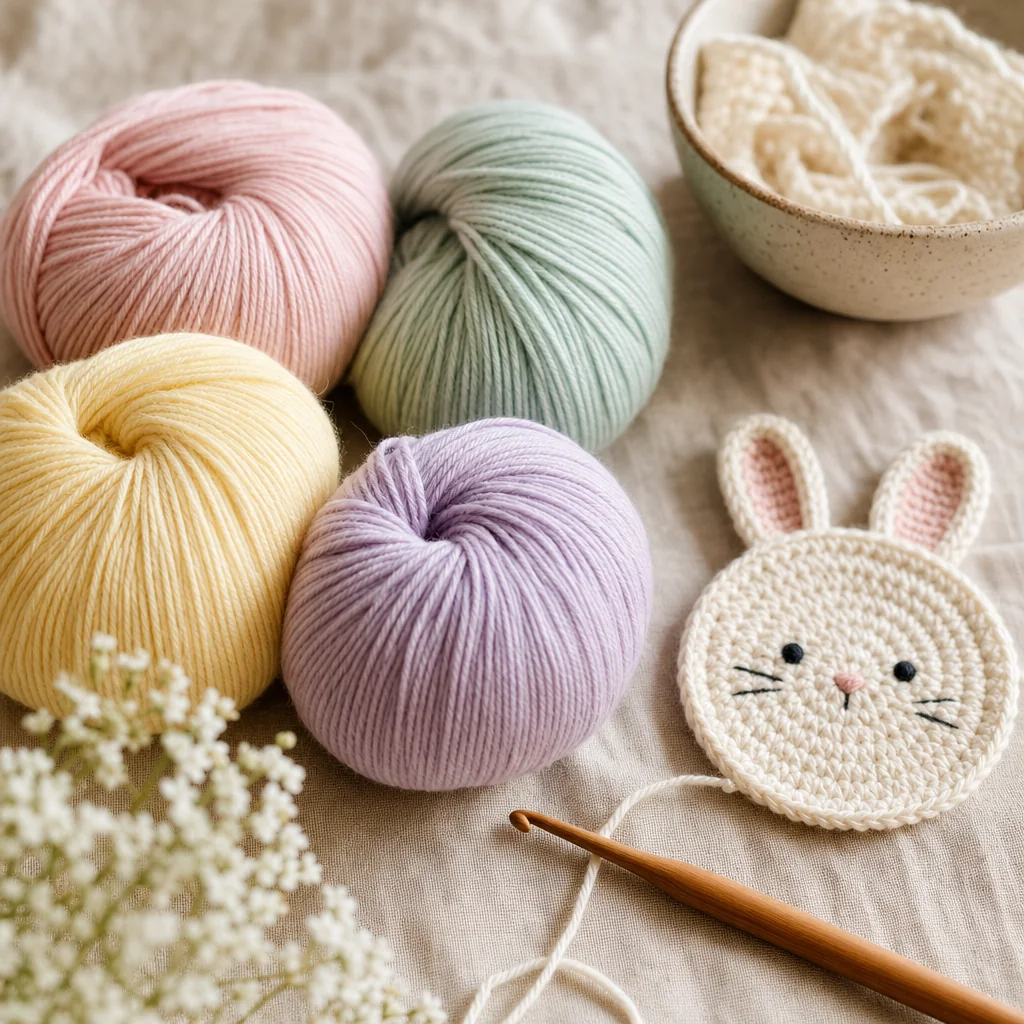
Easter and Spring Crochet Projects for Beginners
Four beginner-friendly crochet projects turn basic stitches into cheerful Easter and spring decor. Pick pastel yarn, grab your hook, and finish a project in an afternoon.
2027-04-02 · 3 min read
First month of Crochets Pro free — no card required.Start free trial
Tutorials, tips, and crochet inspiration in Canadian English and French.
Four beginner-friendly crochet projects turn basic stitches into cheerful Easter and spring decor. Pick pastel yarn, grab your hook, and finish a project in an afternoon.
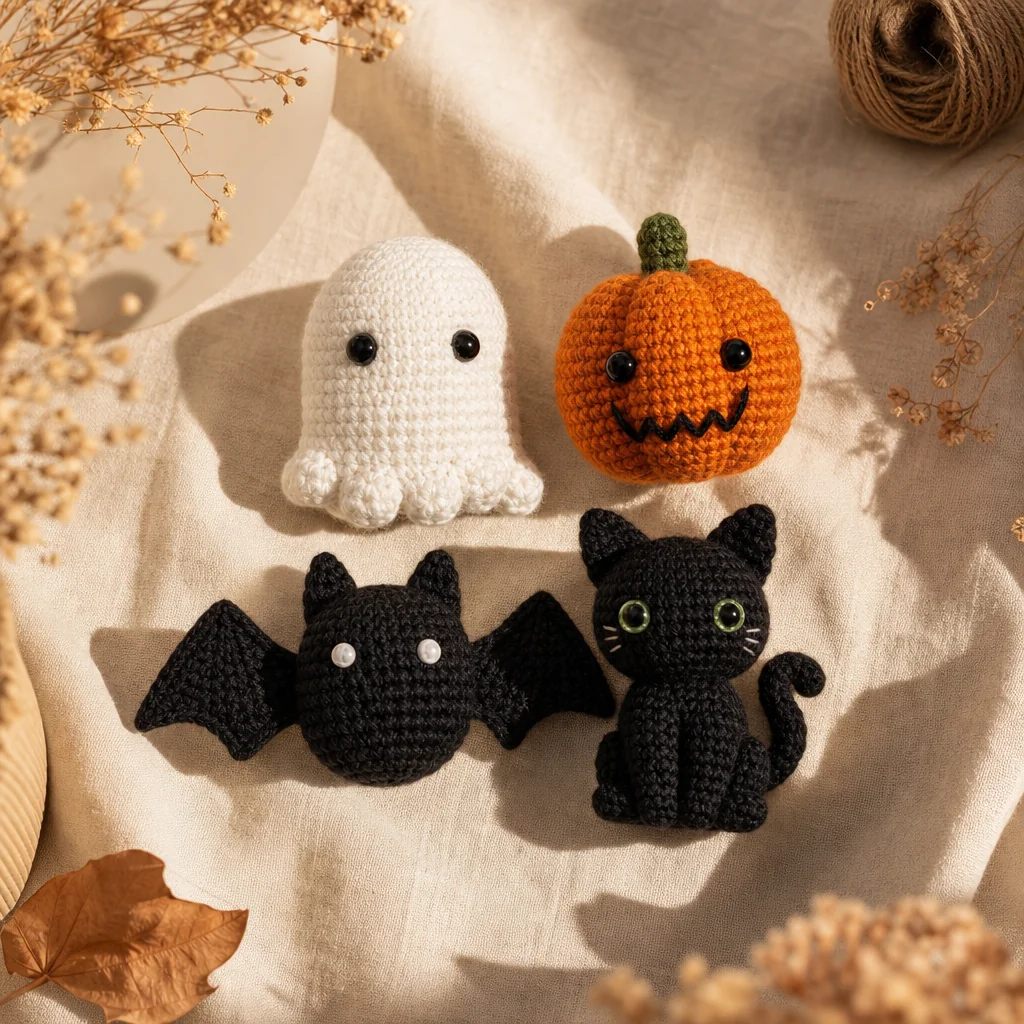
A quick teardrop shape becomes a Halloween ghost in one evening, and the same shaping tricks turn into a pumpkin, bat, or black cat. Here's the full ghost pattern plus fast variations for three more spooky-cute amigurumi.
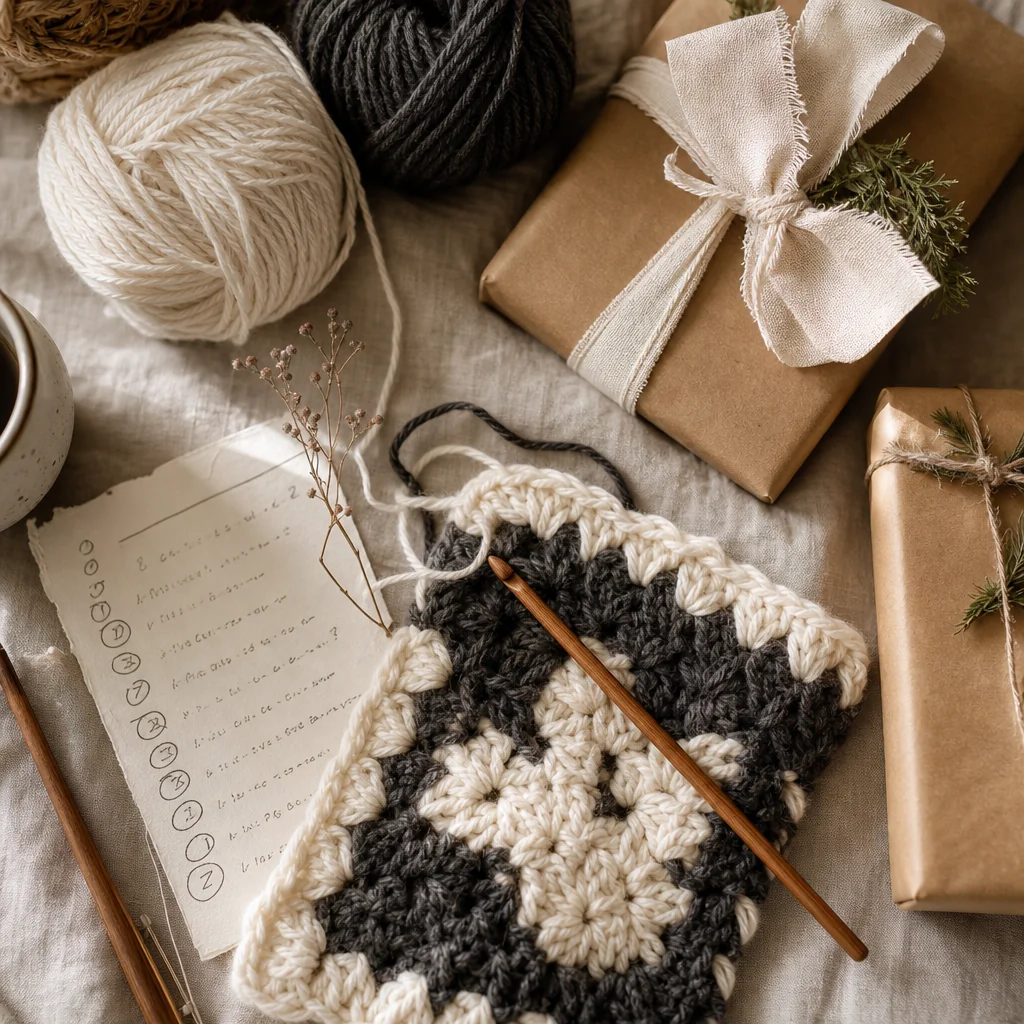
Start crocheting Christmas gifts in October and you'll avoid the December scramble entirely. Here's a simple timeline plus gift ideas sorted by skill level.
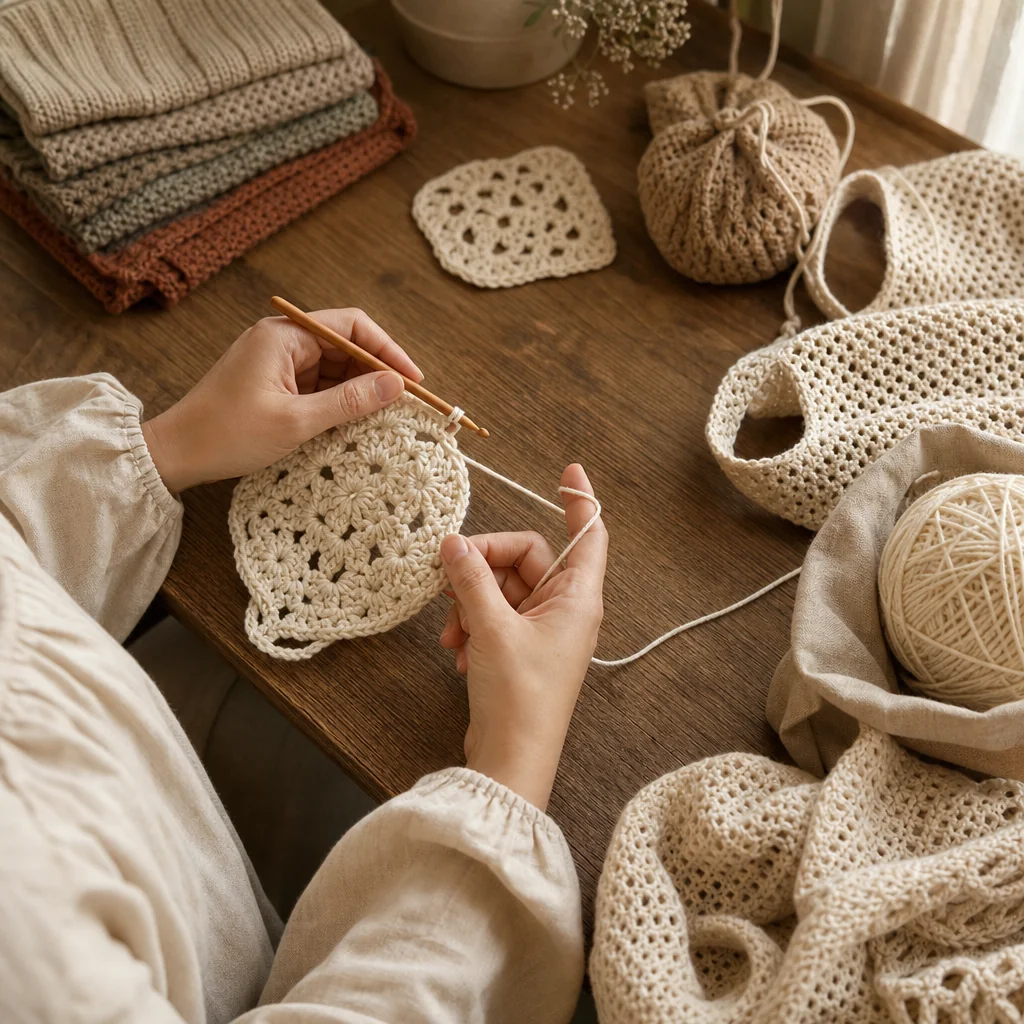
Left-handed crochet is simply a mirror image of right-handed technique, using the same hooks and yarn. Once you understand how to reverse directions and hold your tools comfortably, every stitch and pattern becomes accessible.
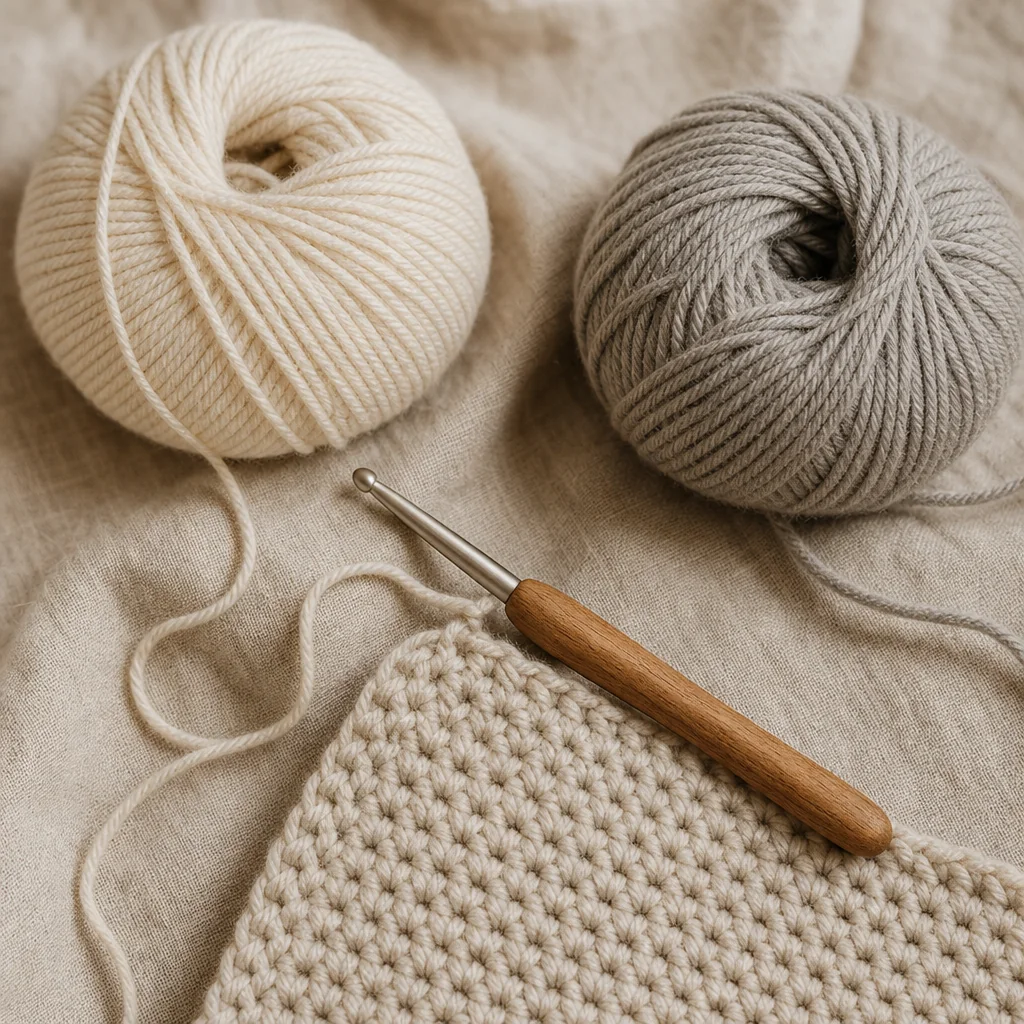
Running out of yarn mid-row doesn't have to mean a bulky knot. These three beginner-friendly methods let you switch yarn balls seamlessly, no knot required.
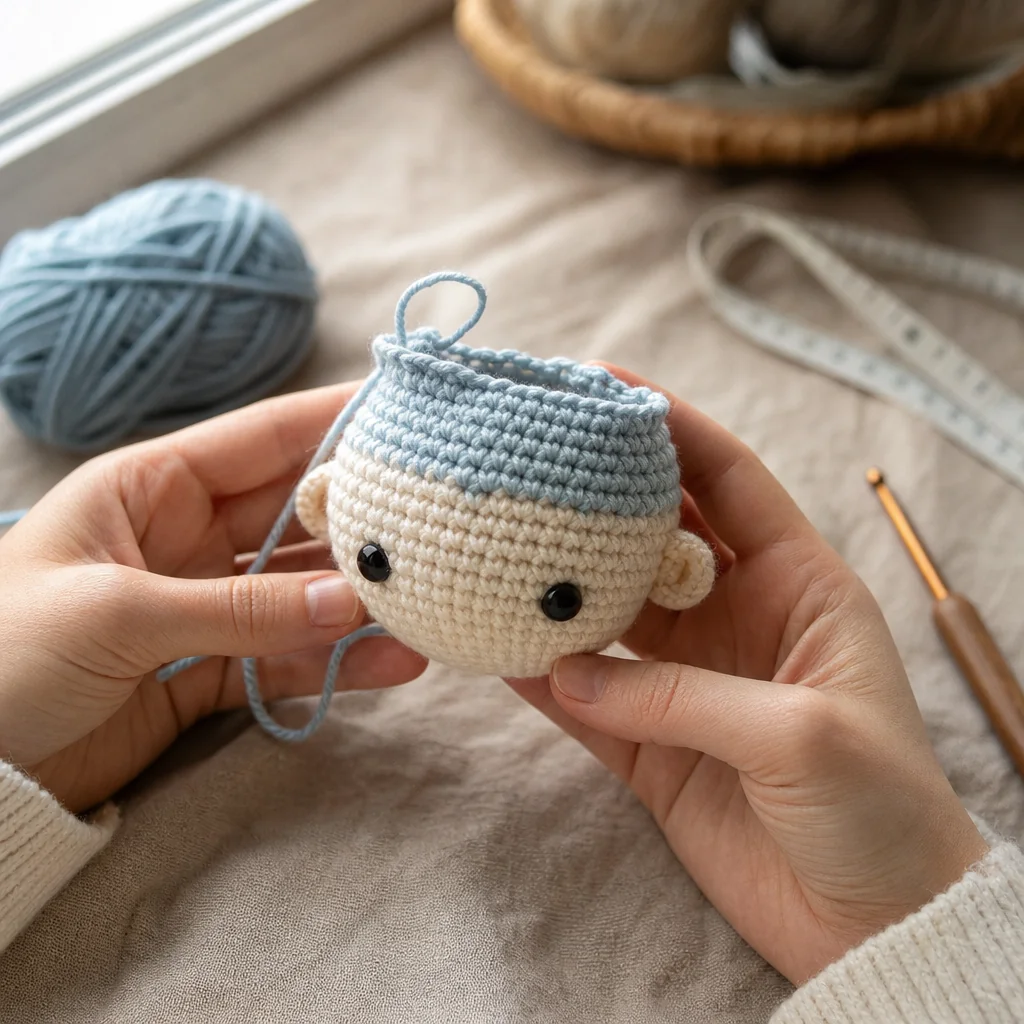
A wobbly amigurumi head is almost never a lost cause. Once you spot whether the issue is tension, stuffing, decreases, or a weak neck seam, the fix is usually quick.
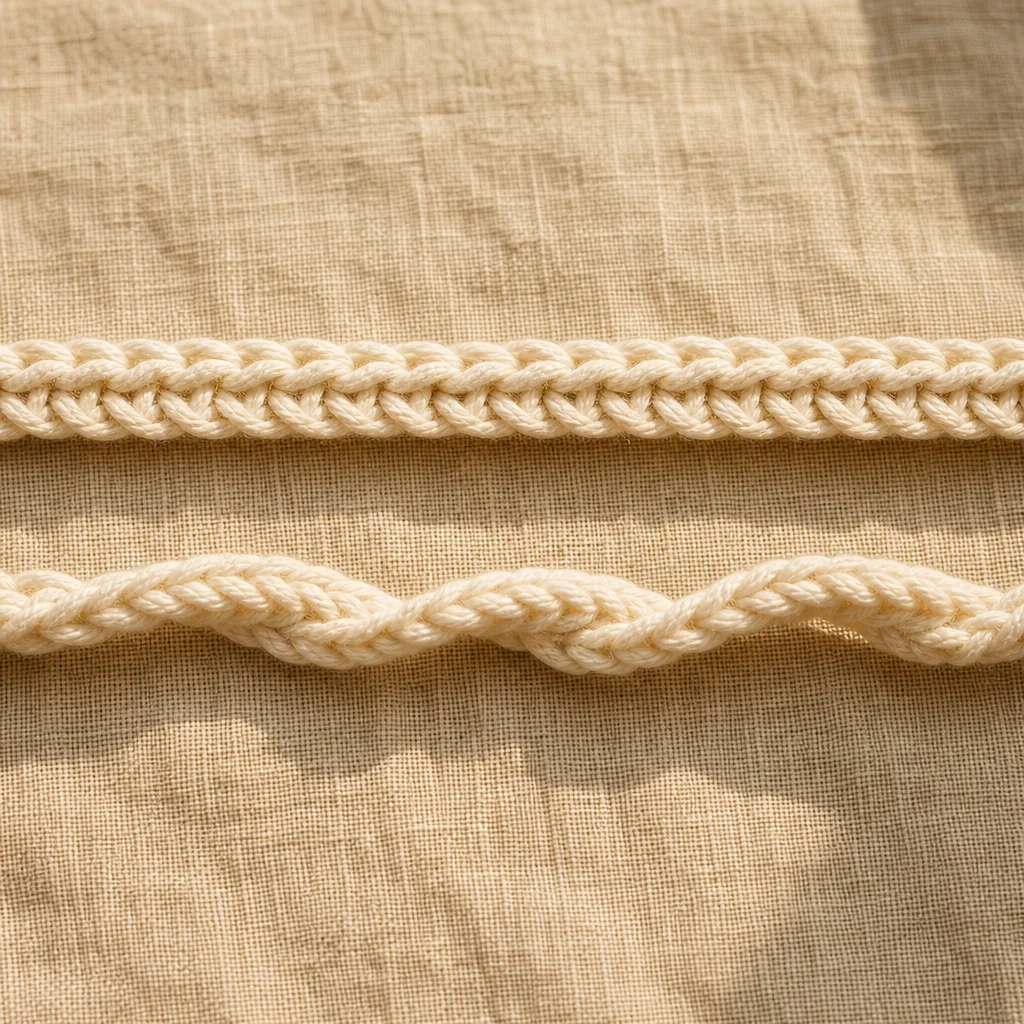
A twisted foundation chain can derail your entire crochet project from the very first row. Learn how to spot the twist, prevent it from happening, and fix it quickly so every project starts perfectly flat.
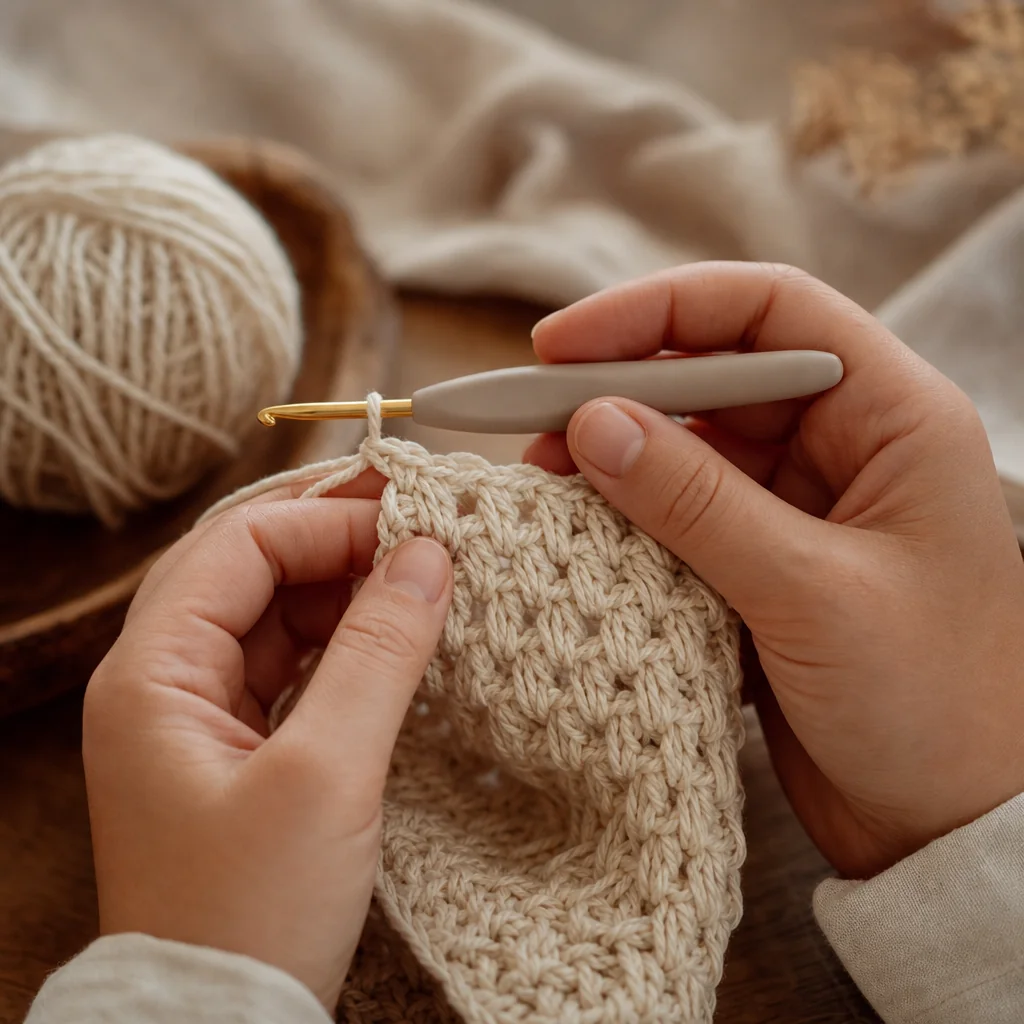
Hand pain while crocheting isn't normal—it's your body telling you something needs to change. Understanding what causes discomfort lets you adjust your technique, tools, and habits so you can crochet comfortably for years.
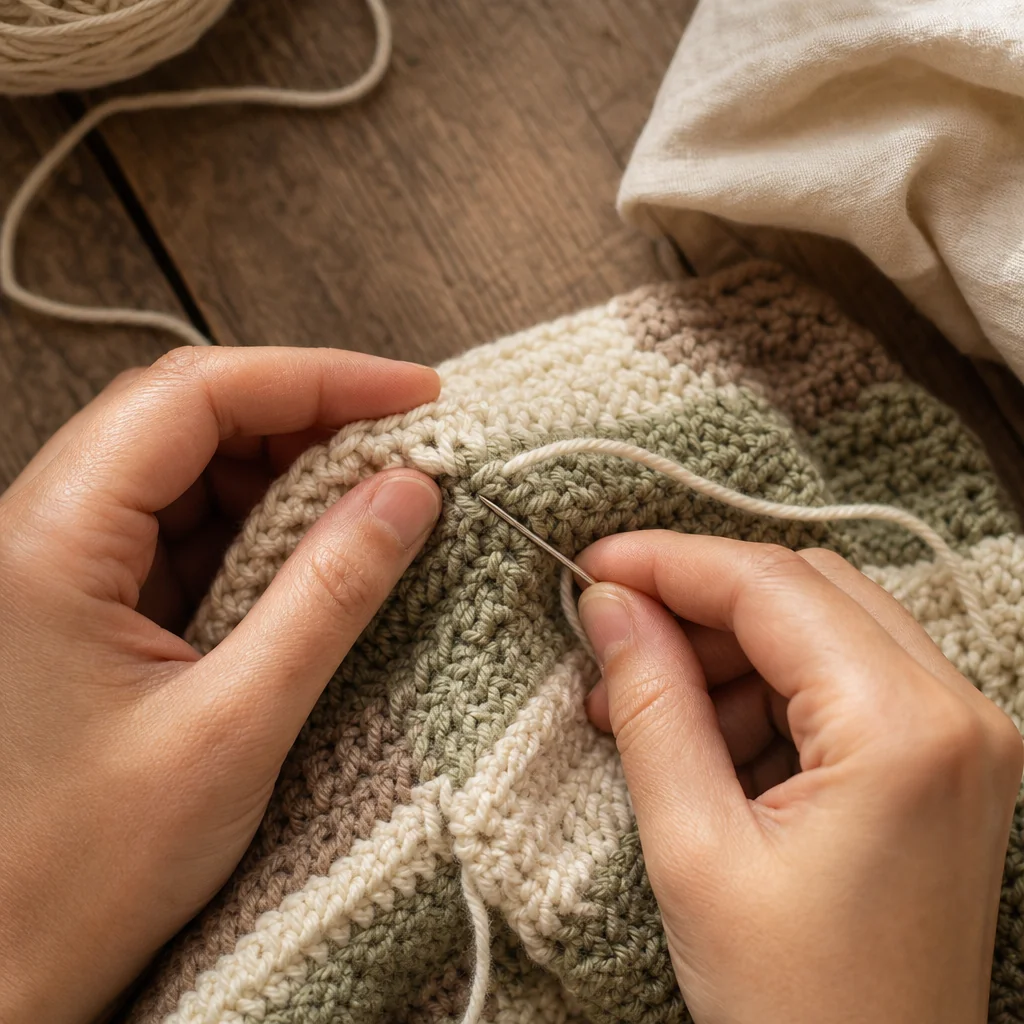
Loose ends aren't bad luck, they're a friction problem: a single straight pass through stitches gives yarn a clear path back out. Change direction at least once and split the plies as you weave, and the tail will hold through years of washing.
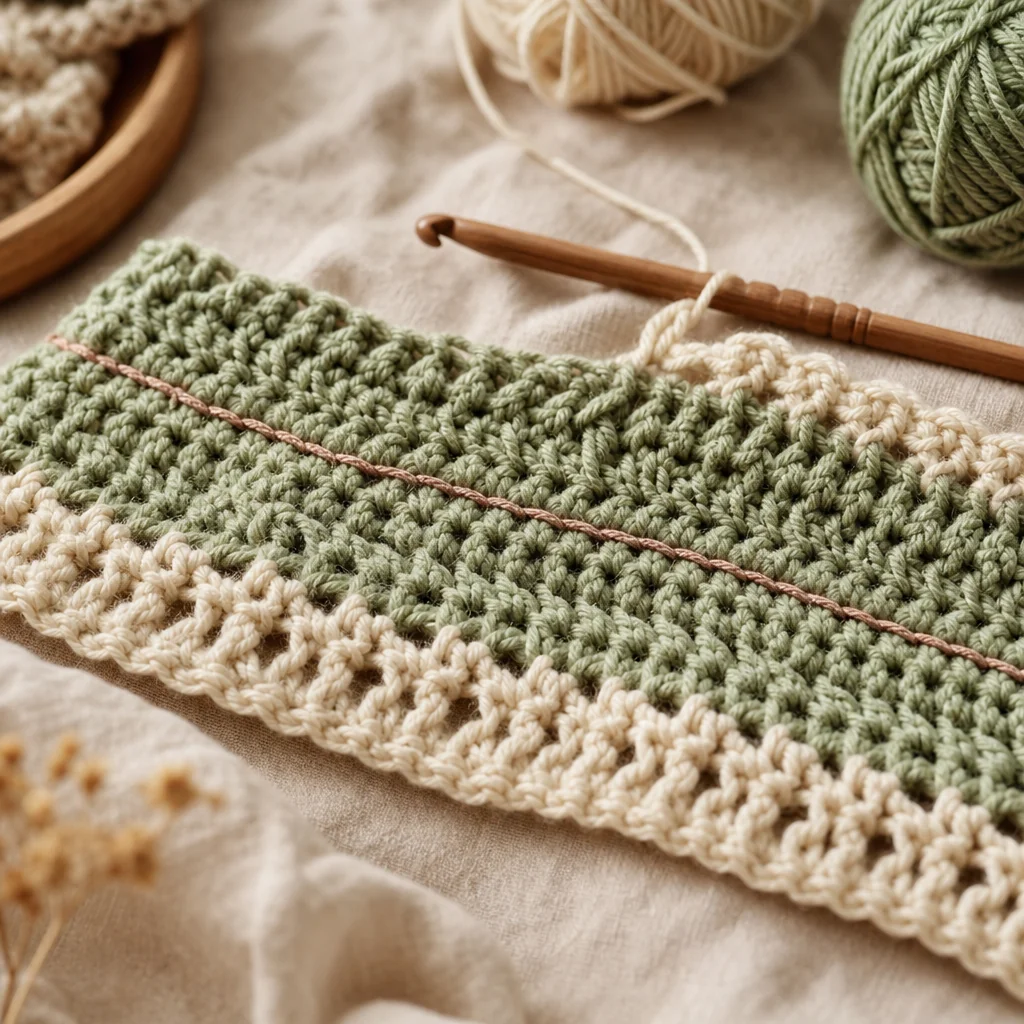
Frogging doesn't mean starting over. With a lifeline, careful unraveling, and a quick stitch recount, you can rip back to any mistake and pick up exactly where you need to.
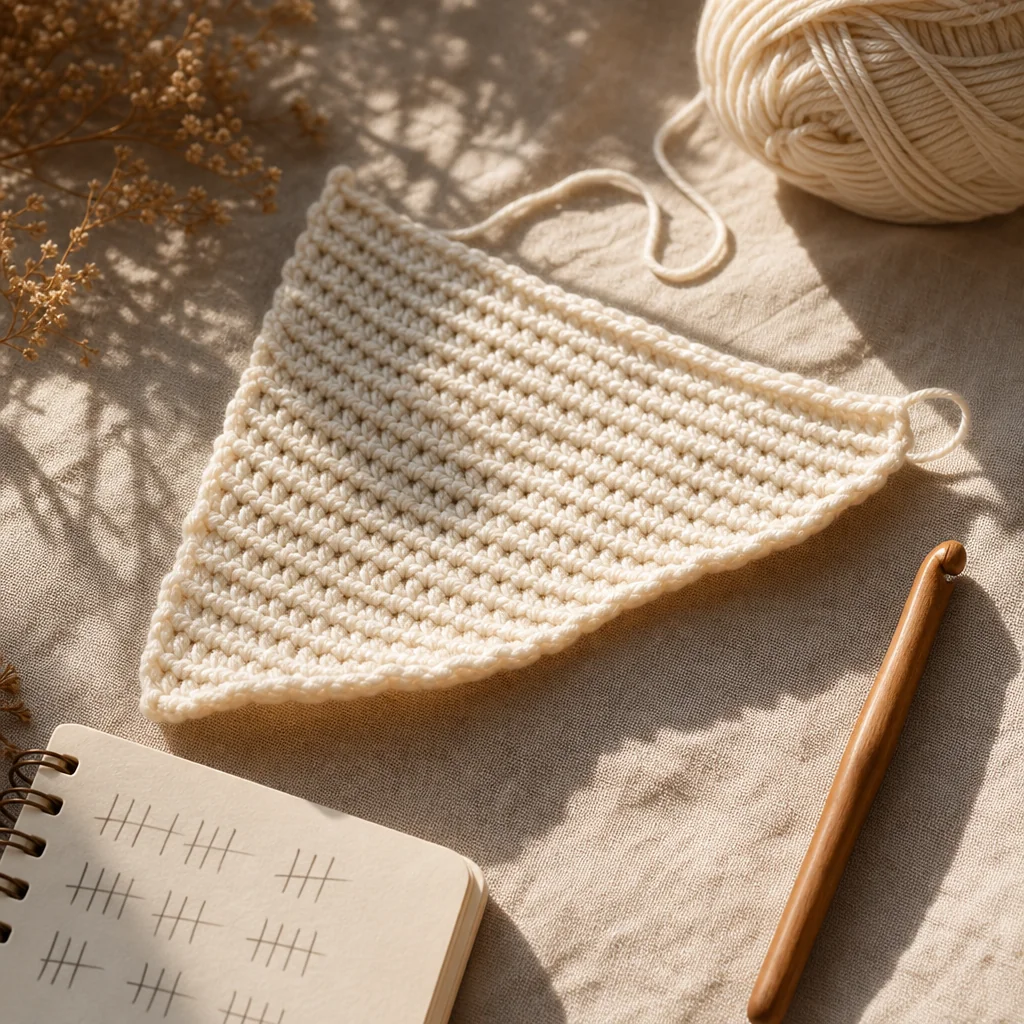
If your crochet rectangle is quietly turning into a triangle, you're gaining or losing a stitch somewhere at the start or end of your rows. Count your stitches, sort out your turning chain, and the slant disappears.
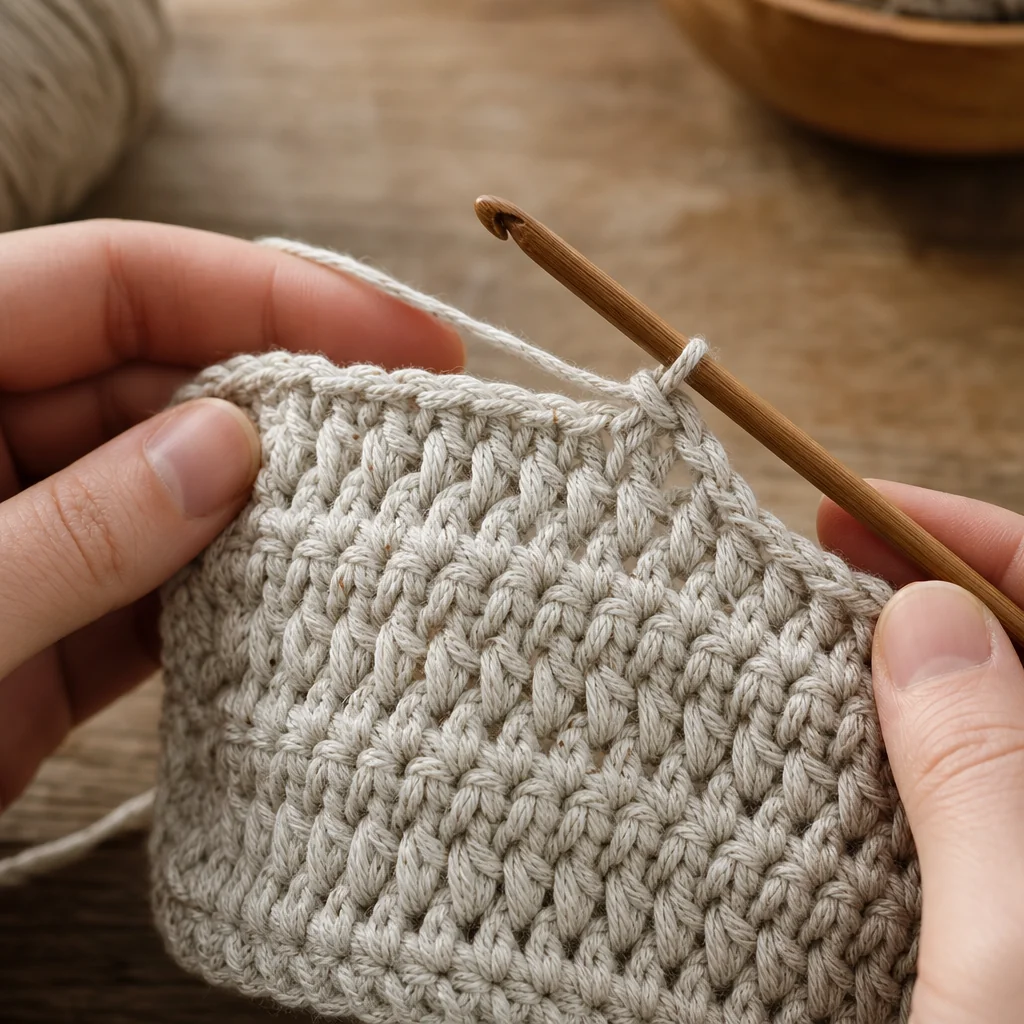
Gaps between stitches are usually caused by loose tension or inconsistent hook placement, not mistakes in your stitch count. With a few technique adjustments, you can close them up and create a more polished fabric.
Join the newsletter for bilingual tutorials, new patterns, and Canadian yarn notes.