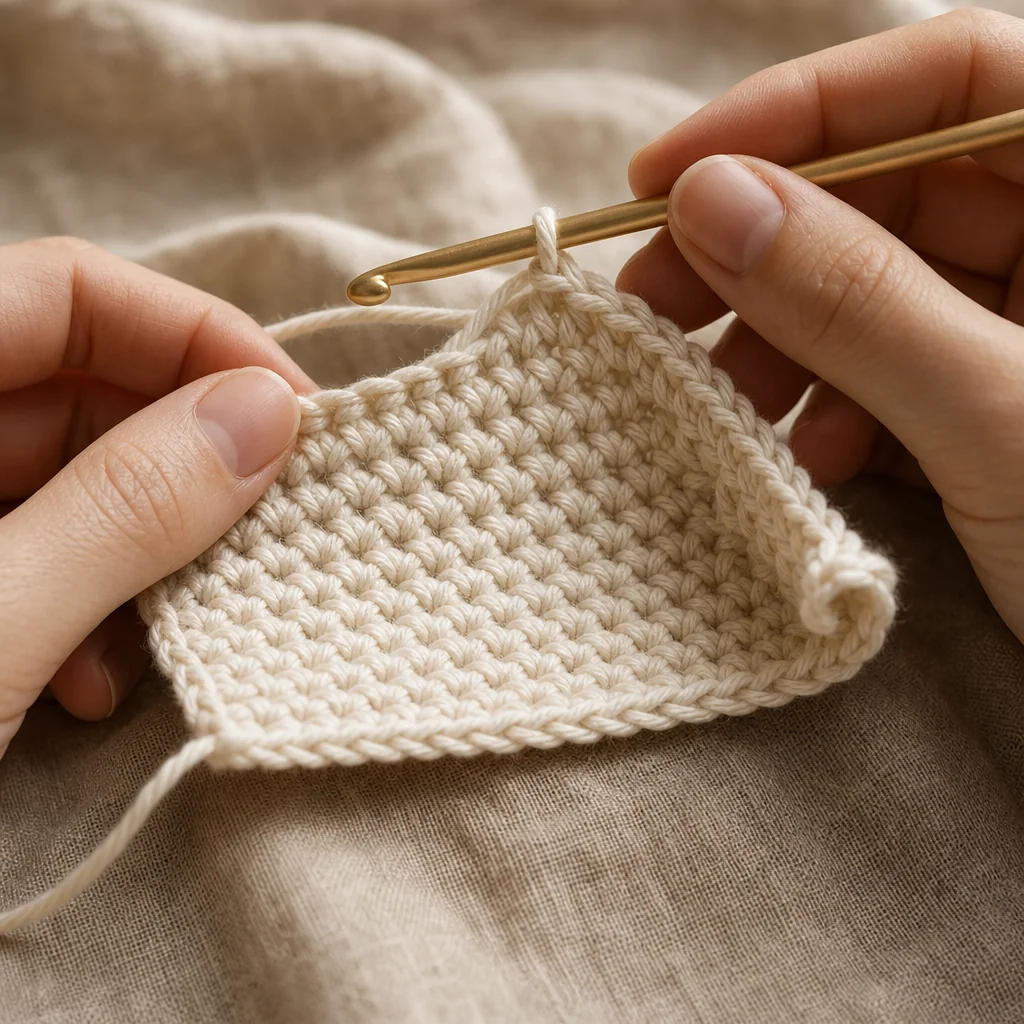
When your crochet fabric curls at the edges or creates unwanted waves, tension inconsistency is almost always the cause. The good news: these problems are completely fixable once you understand what's happening in your stitches.
Your gauge depends on matching hook size to yarn weight and understanding your personal tension. By making a simple test swatch and adjusting your hook size, you'll achieve the correct dimensions every time.
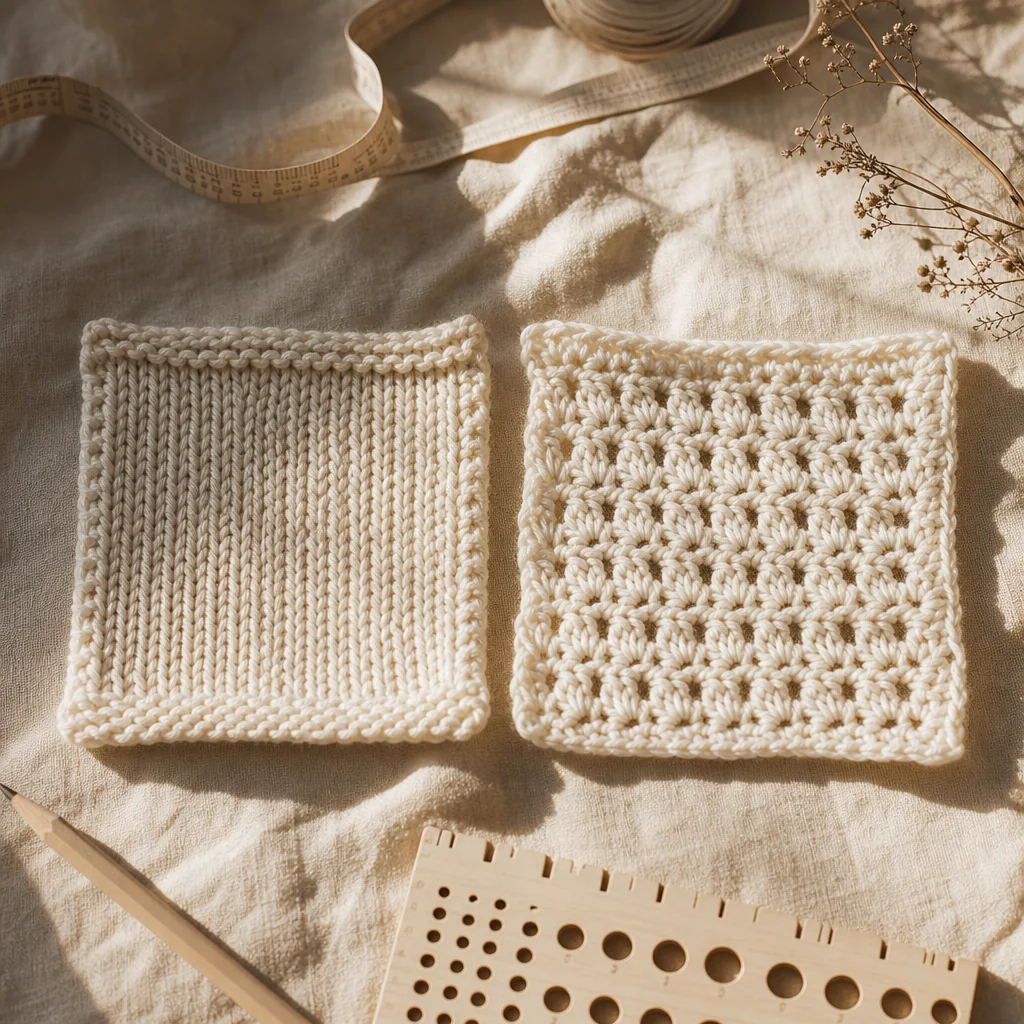
You don't need to abandon a gorgeous knit pattern just because you crochet—you just need to match the gauge. We'll walk you through converting the tension between these two crafts so your finished piece comes out the right size.
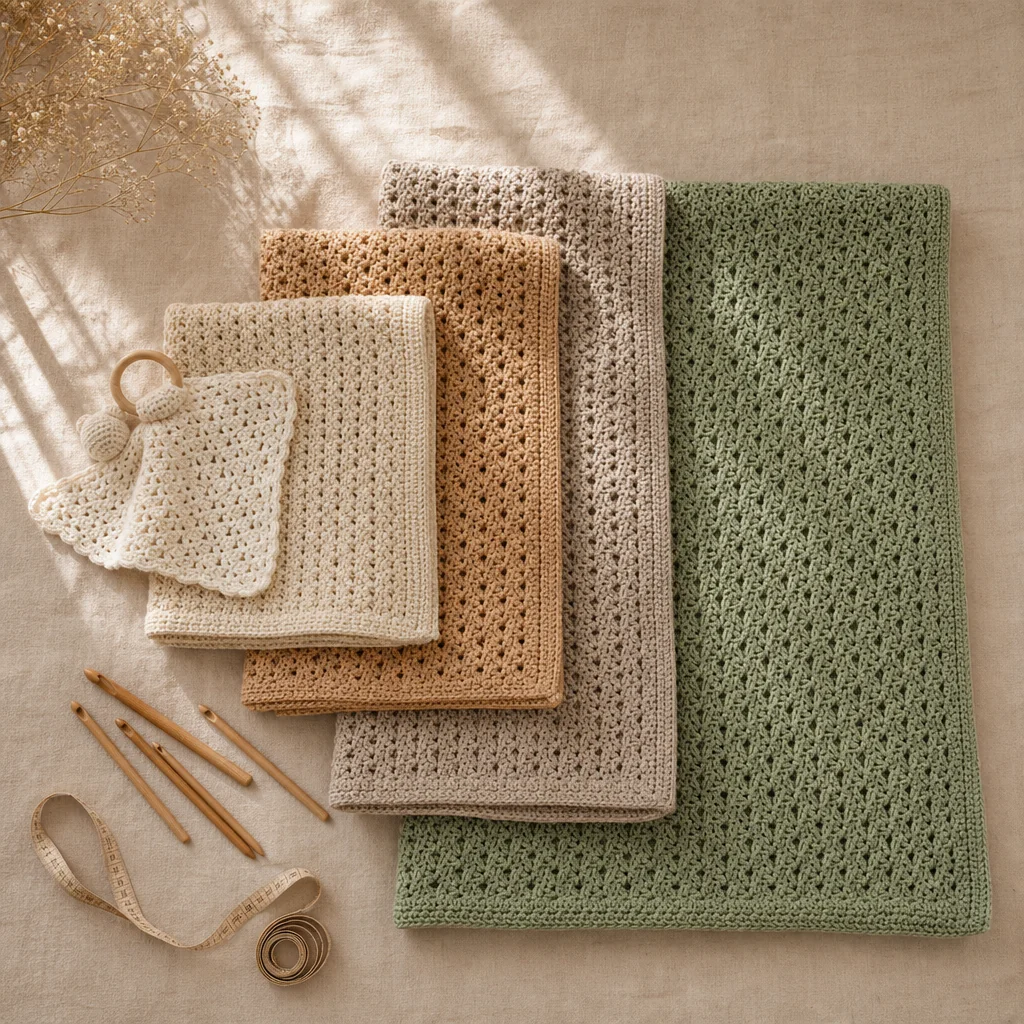
Knowing the right blanket dimensions before you start saves yarn, time, and the frustration of frogging. Use this complete sizing guide to plan your next project from baby loveys to king-size throws.
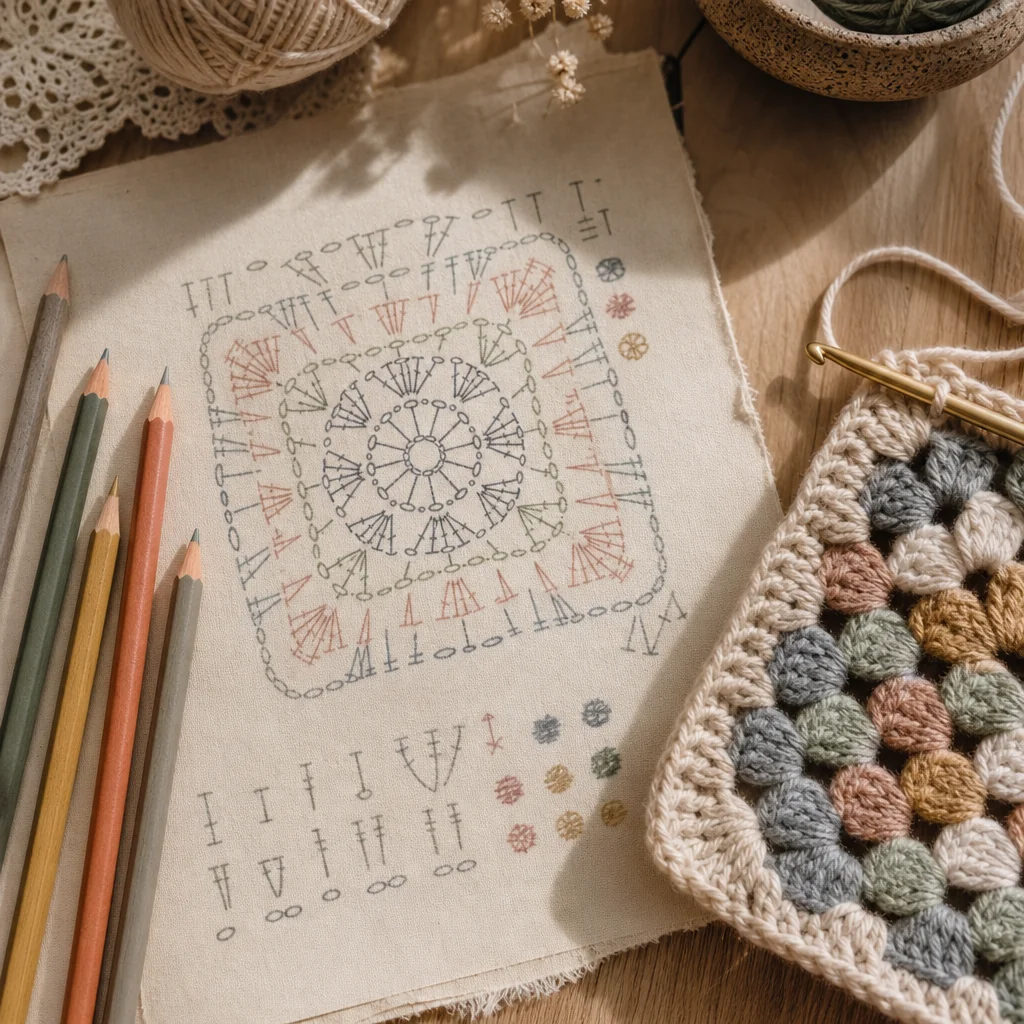
Crochet charts are your gateway to understanding patterns in any language—once you learn the universal symbol system. This guide breaks down every symbol, reading direction, and common confusion point so you can tackle your first chart with confidence.
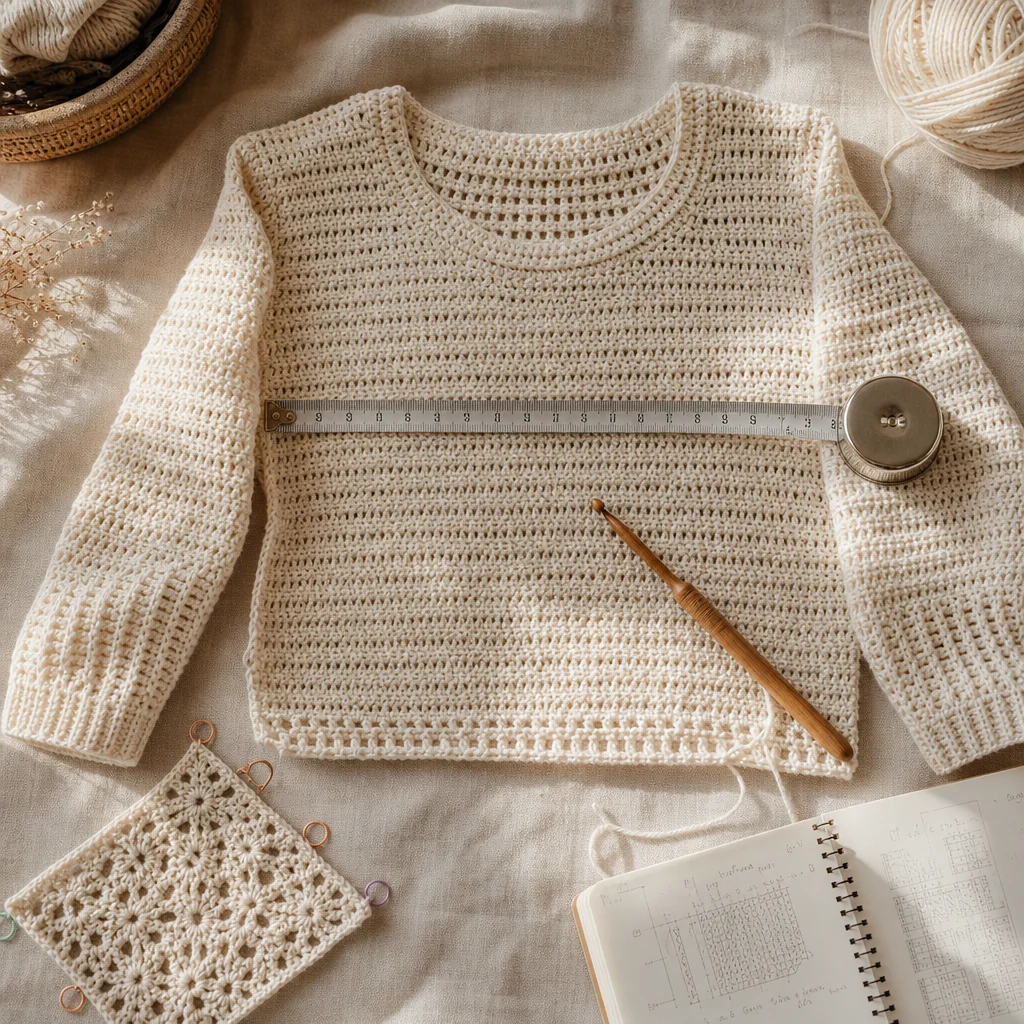
Resizing crochet patterns requires understanding gauge and applying simple multiplication formulas to adjust stitch counts proportionally. With careful measurement and systematic adjustments to width, length, and shaping, you can modify any pattern to achieve your ideal fit.
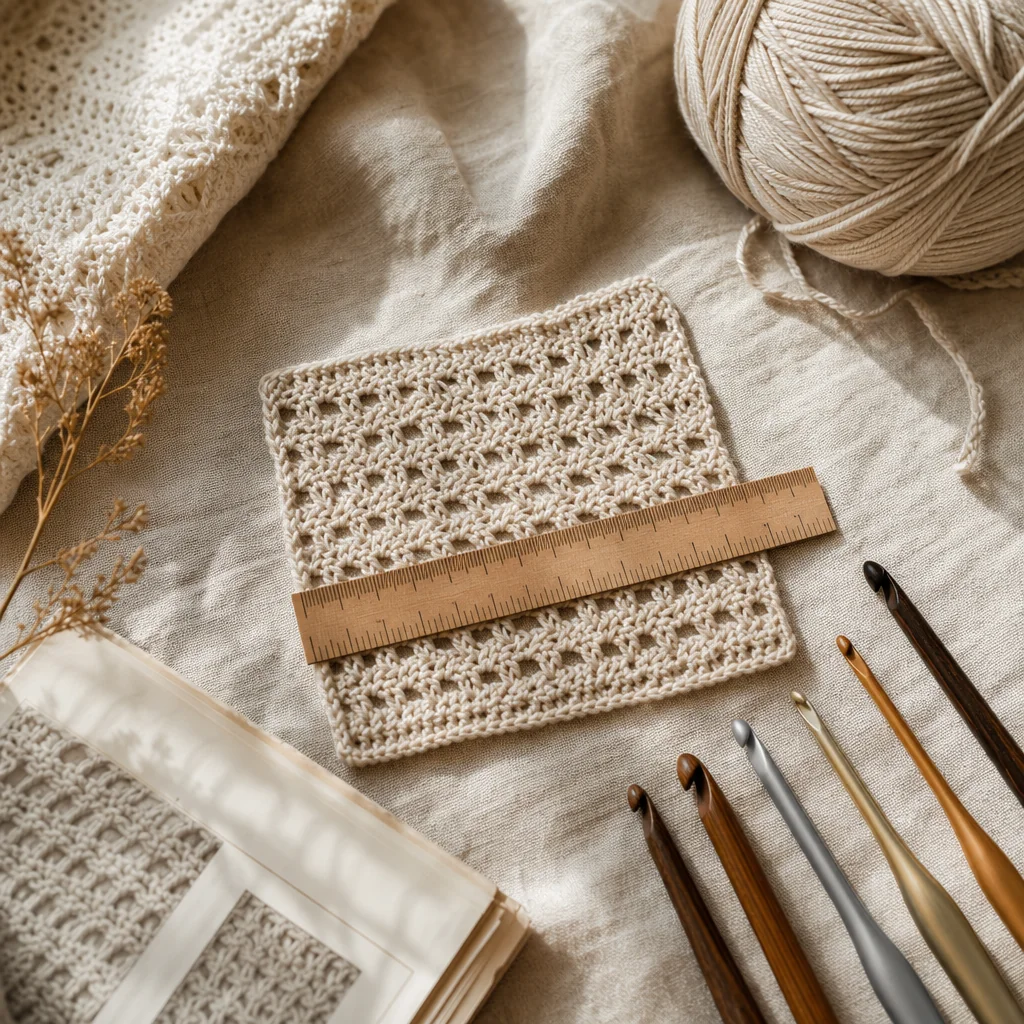
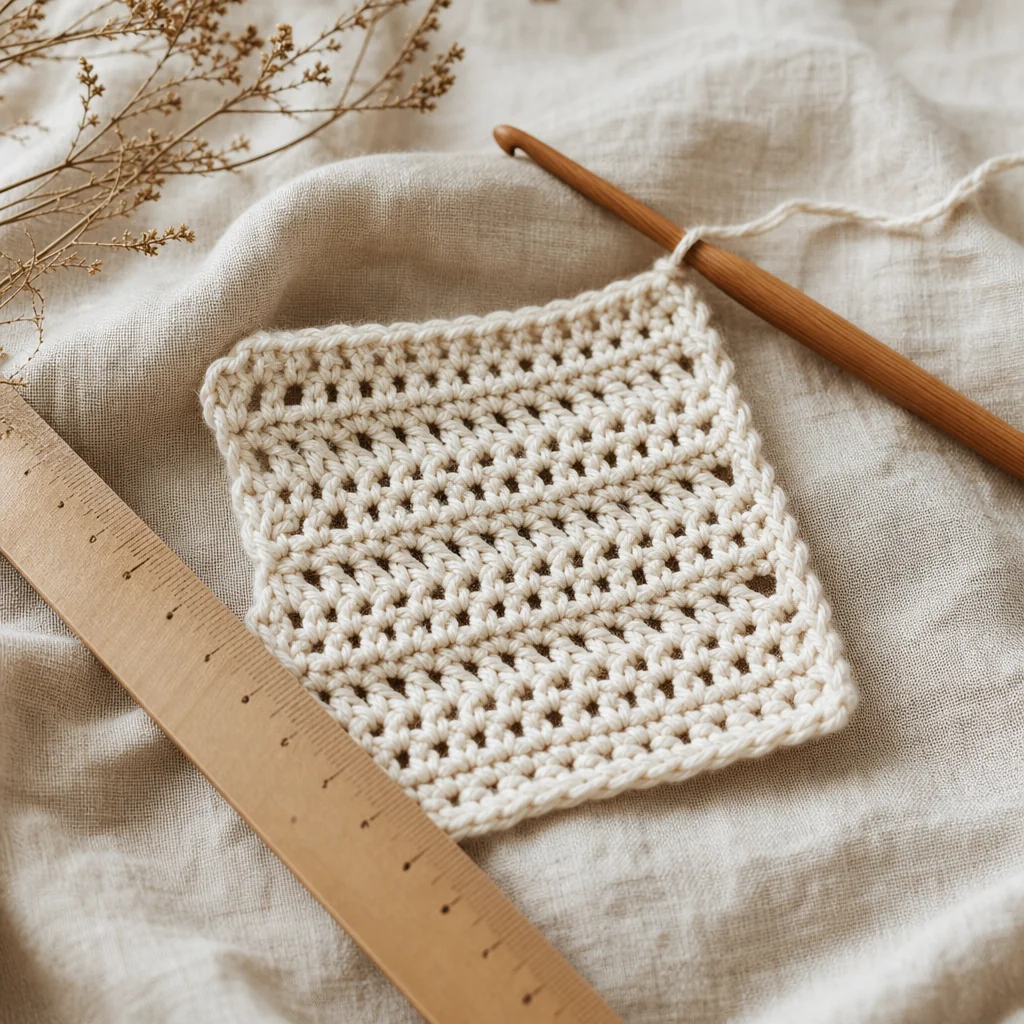
A gauge swatch takes five minutes but decides whether your finished project fits. Here's the simple, no-fuss method for making one that actually tells you something.
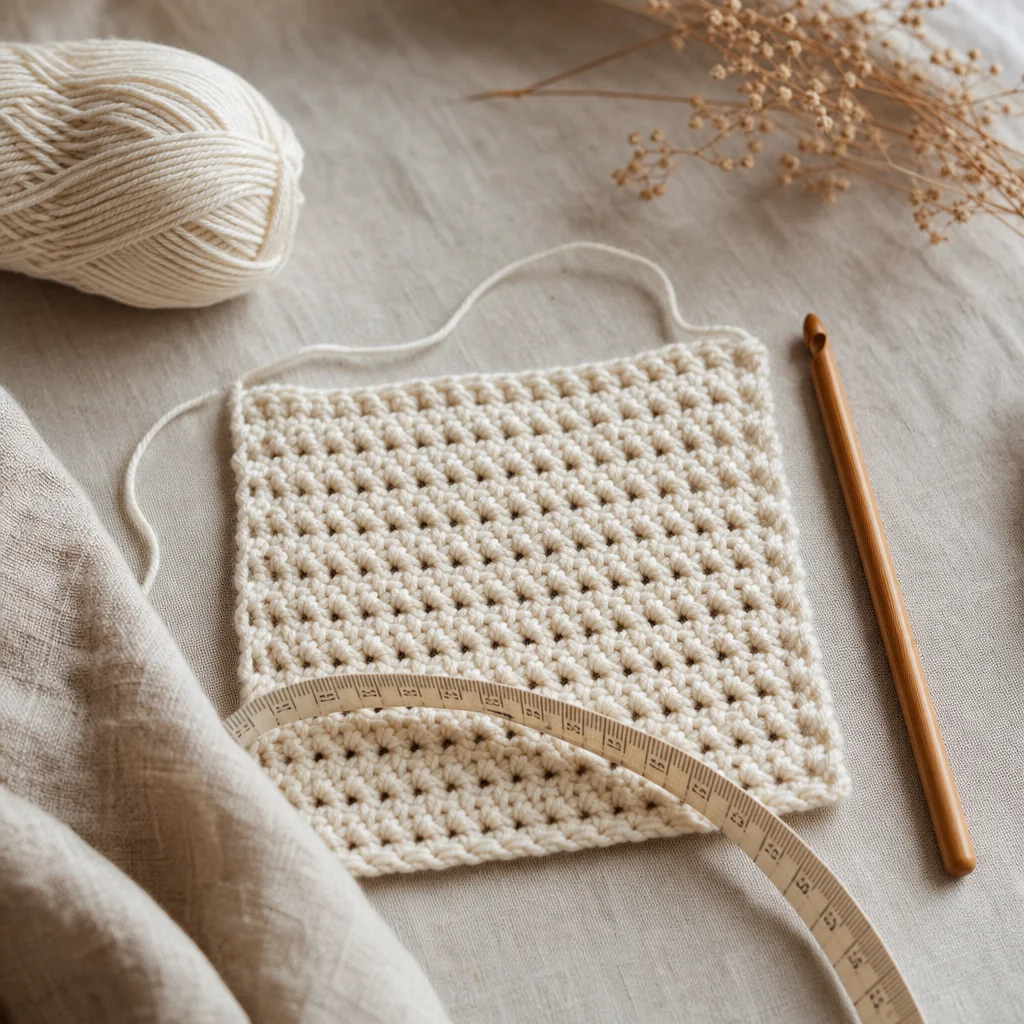
Gauge tells you how your stitches measure up against a pattern's expectations, and getting it wrong can throw off an entire project. Here's what it really means and why it's worth ten minutes of your time.
2026-10-13 · 6 min read
Get crochet tips in your inbox
Join the newsletter for bilingual tutorials, new patterns, and Canadian yarn notes.