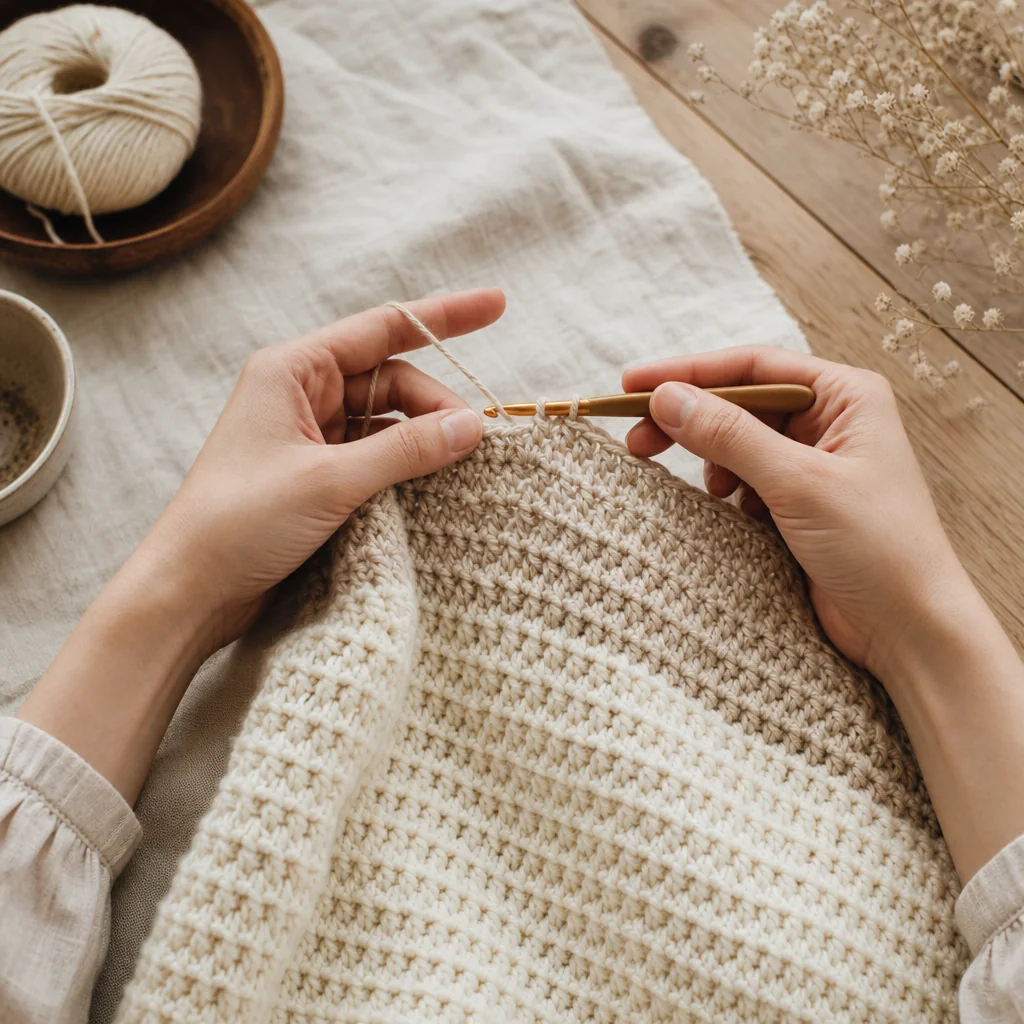
Uneven crochet almost always comes down to tension shifts, miscounted stitches, or turning chain confusion, not lack of skill. Once you know which one you've got, the fix takes minutes.
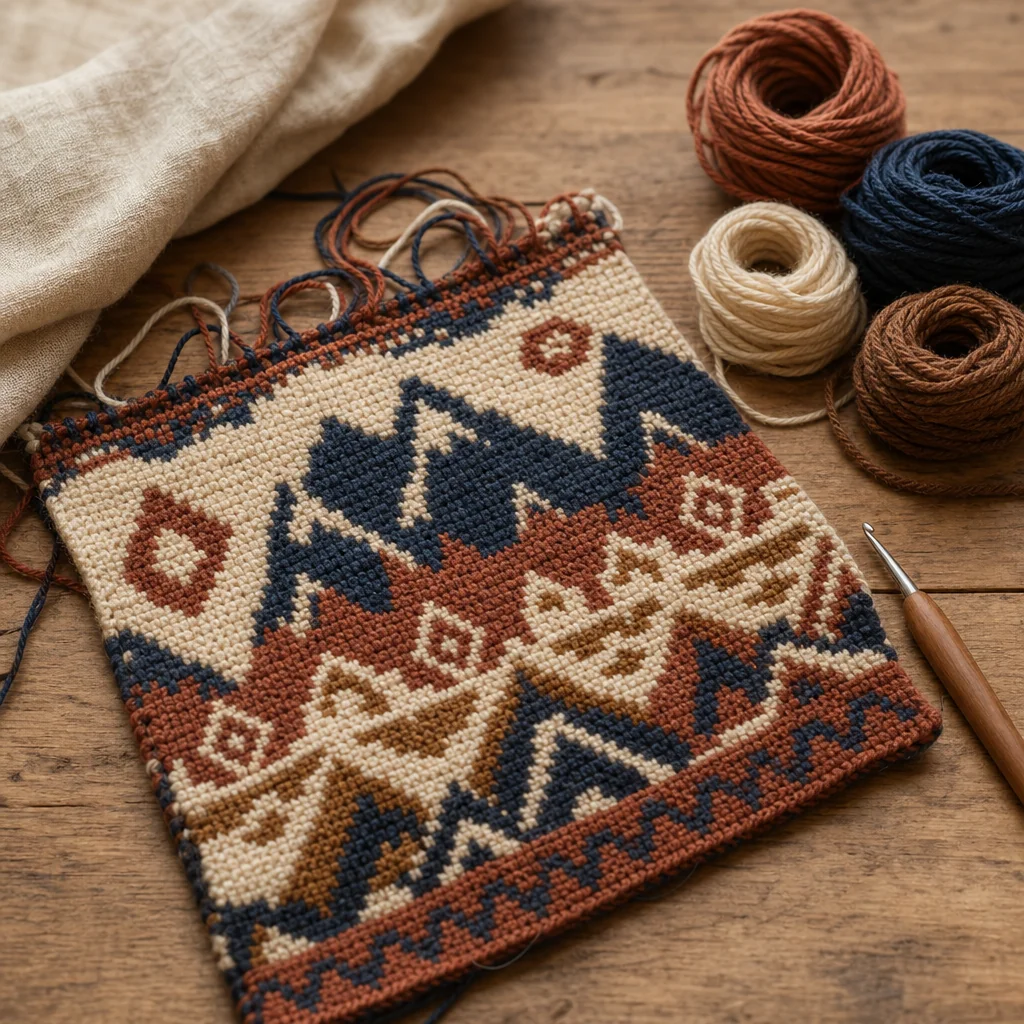
Andean tapestry crochet blends bold colour work with symbolic patterns passed down through generations, creating dense, picture-like fabrics that tell stories of land, family, and spirituality. This advanced technique uses colour carrying and tight tension to produce textiles as functional as they are meaningful.
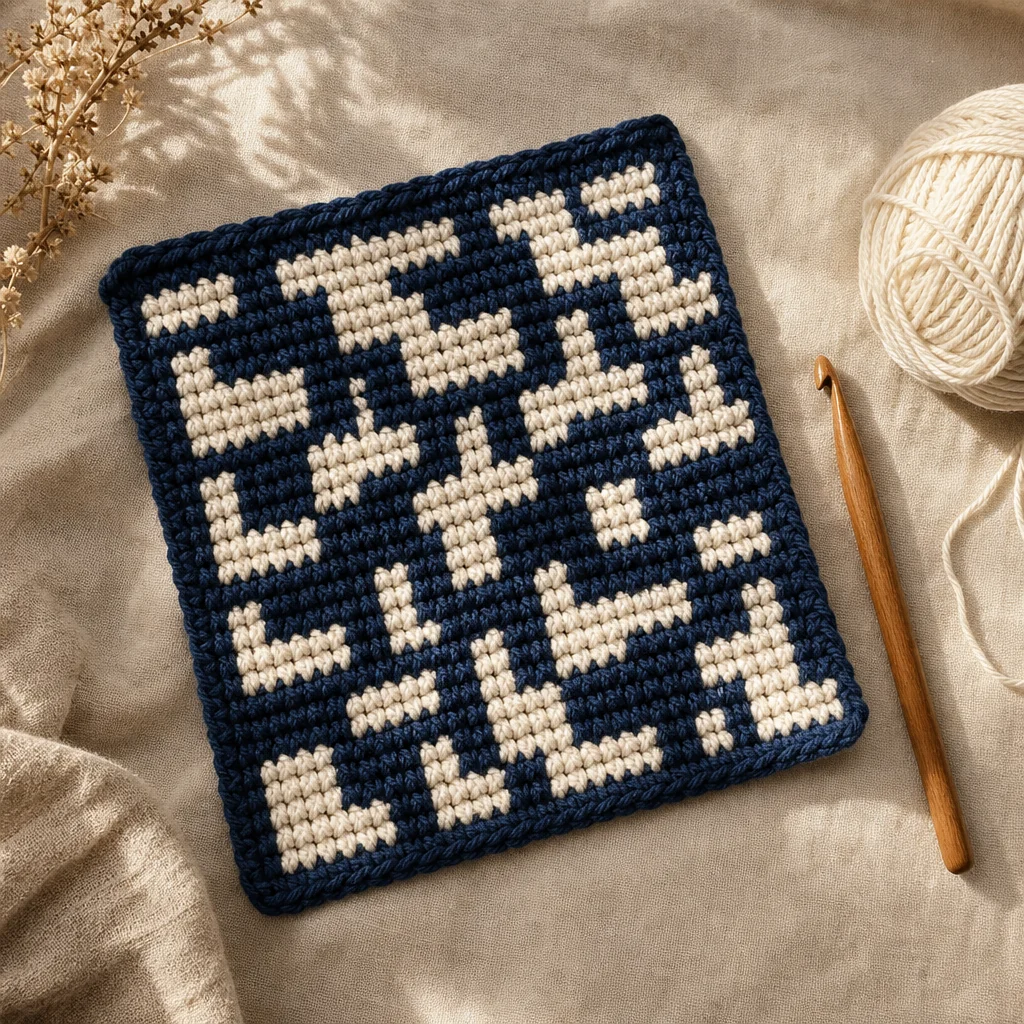
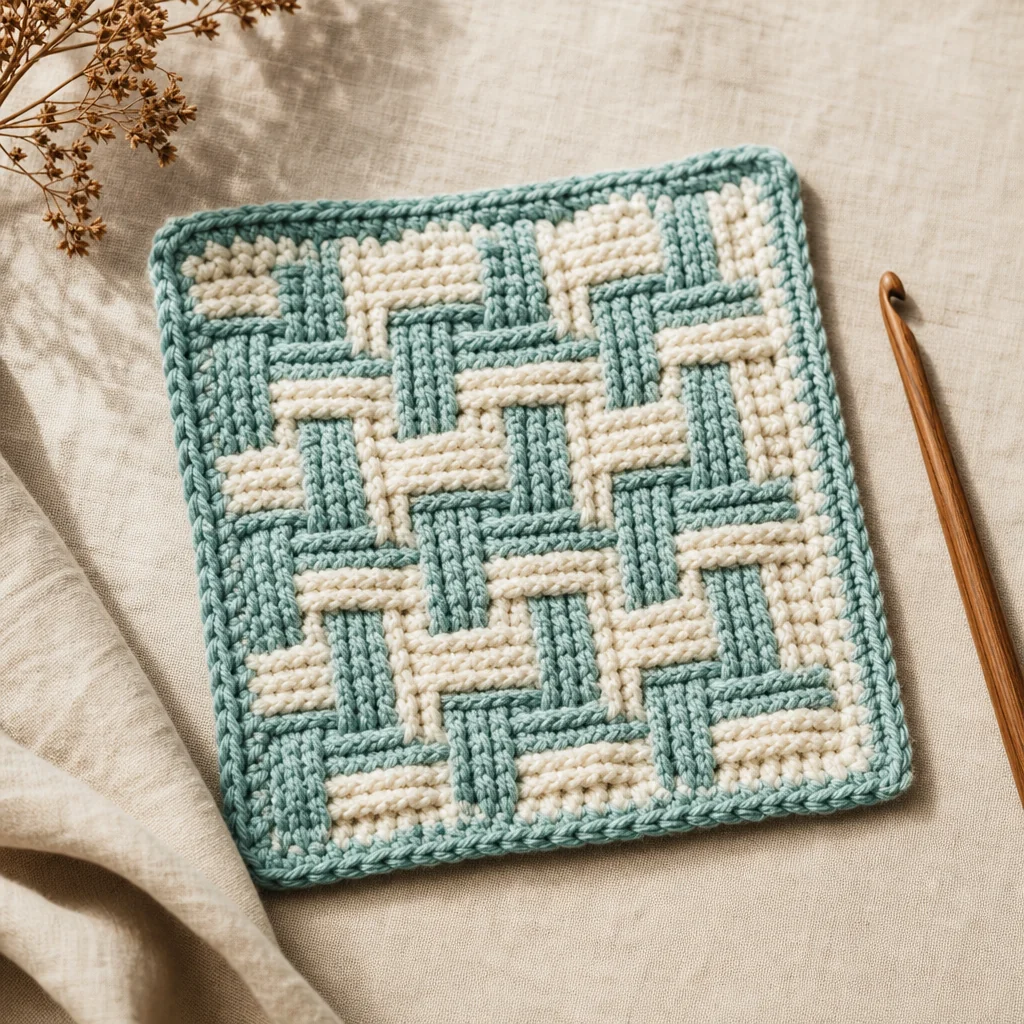
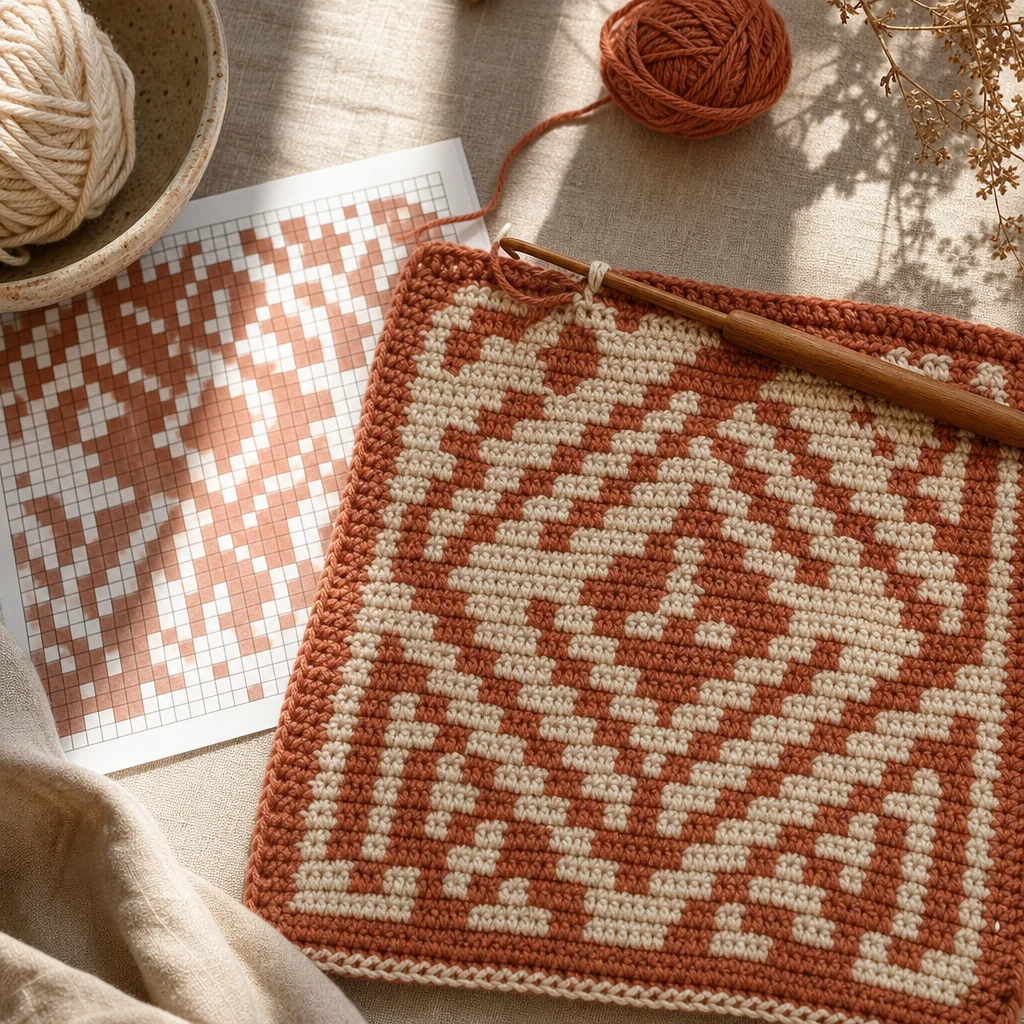
Overlay and mosaic crochet let you build bold pictures and geometric patterns using only two colours per row, relying on stitch placement rather than constant yarn changes. Here's how both techniques work and how to approach your first pictorial project with confidence.
Freeform crochet replaces row counts and charts with intuition, colour play, and textural exploration. Here's a structured path to confident improvisation, from your first scrumble to a finished compositional piece.
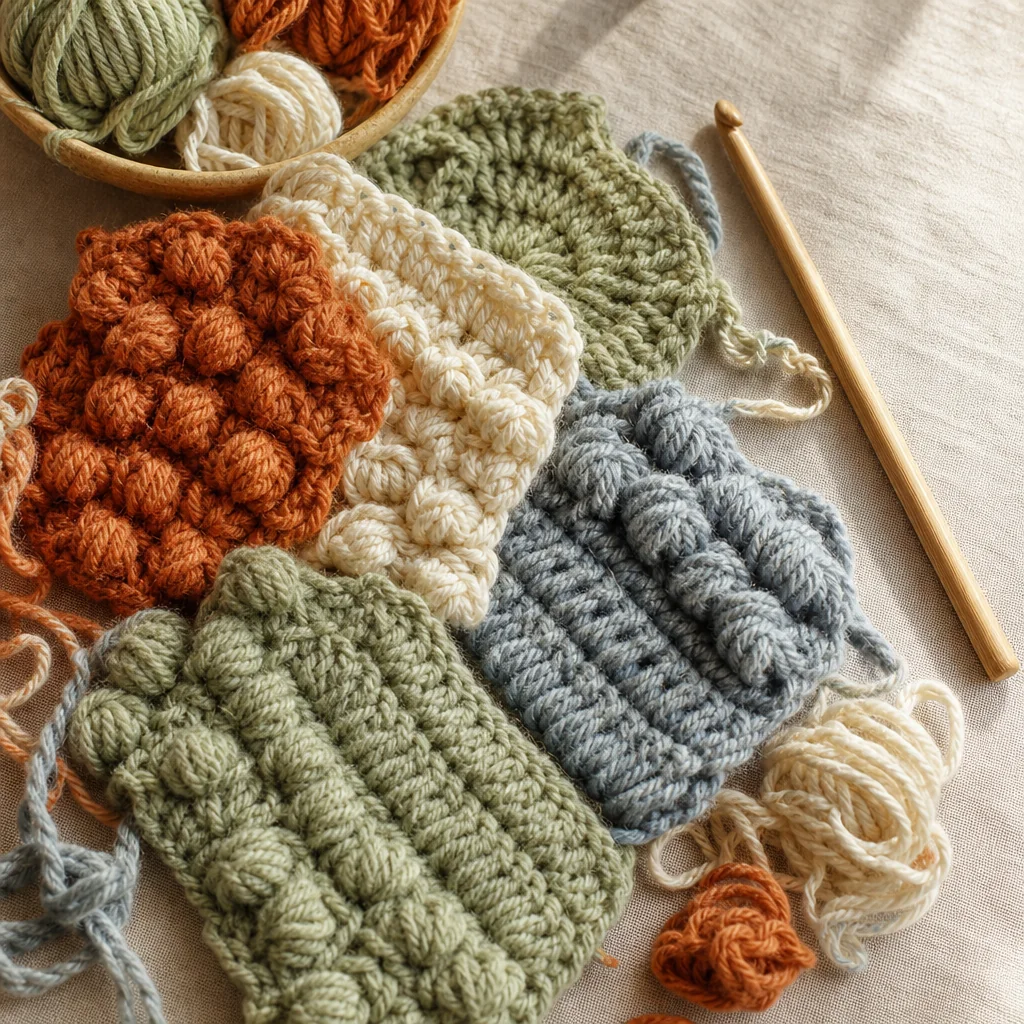
Bavarian crochet uses front post double crochets to turn a basic granny square into a raised, basket-woven motif full of depth and dimension. Once you're comfortable with post stitches, this technique is a satisfying way to level up your squares.
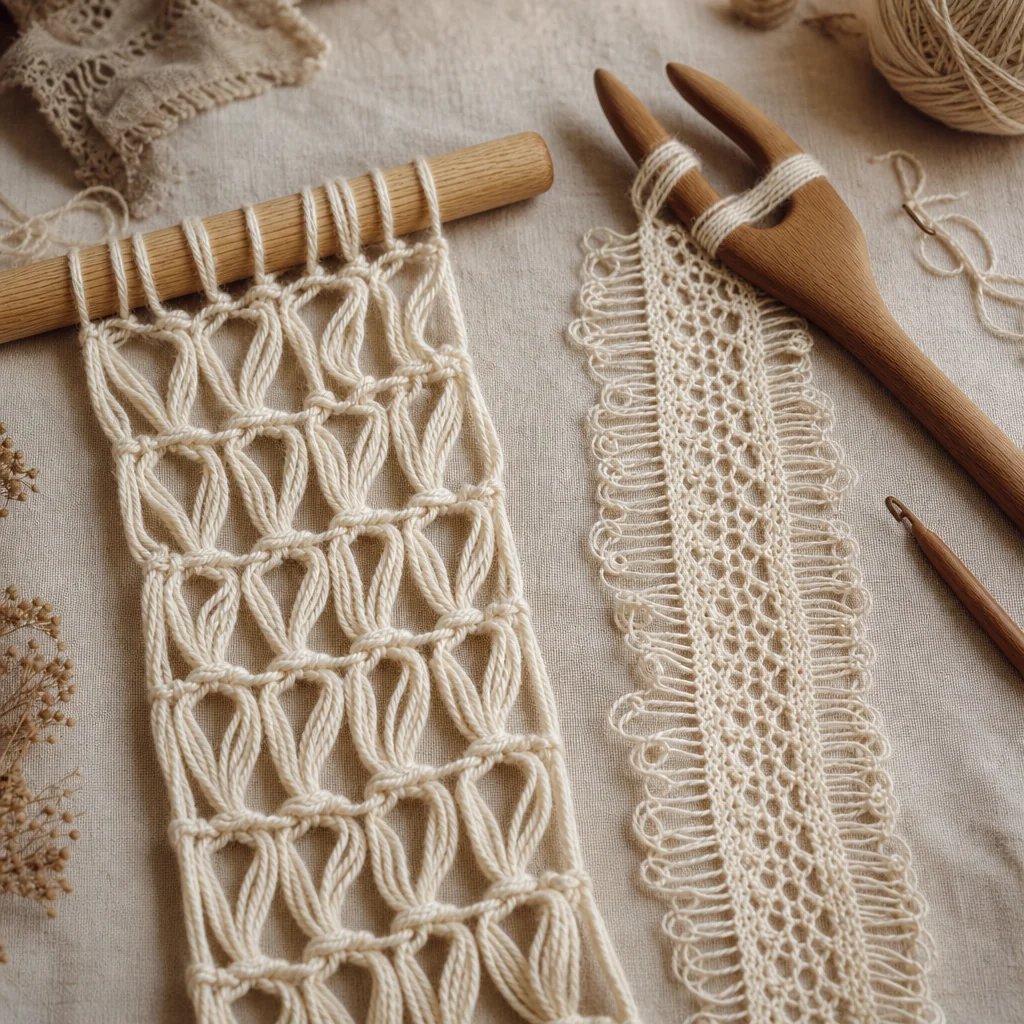
Broomstick lace pulls oversized loops onto a dowel and clusters them with single crochet, while hairpin lace wraps yarn around a forked loom to build narrow lace strips. Both produce open, loopy fabric, but their tools, construction methods, and final textures are distinct.
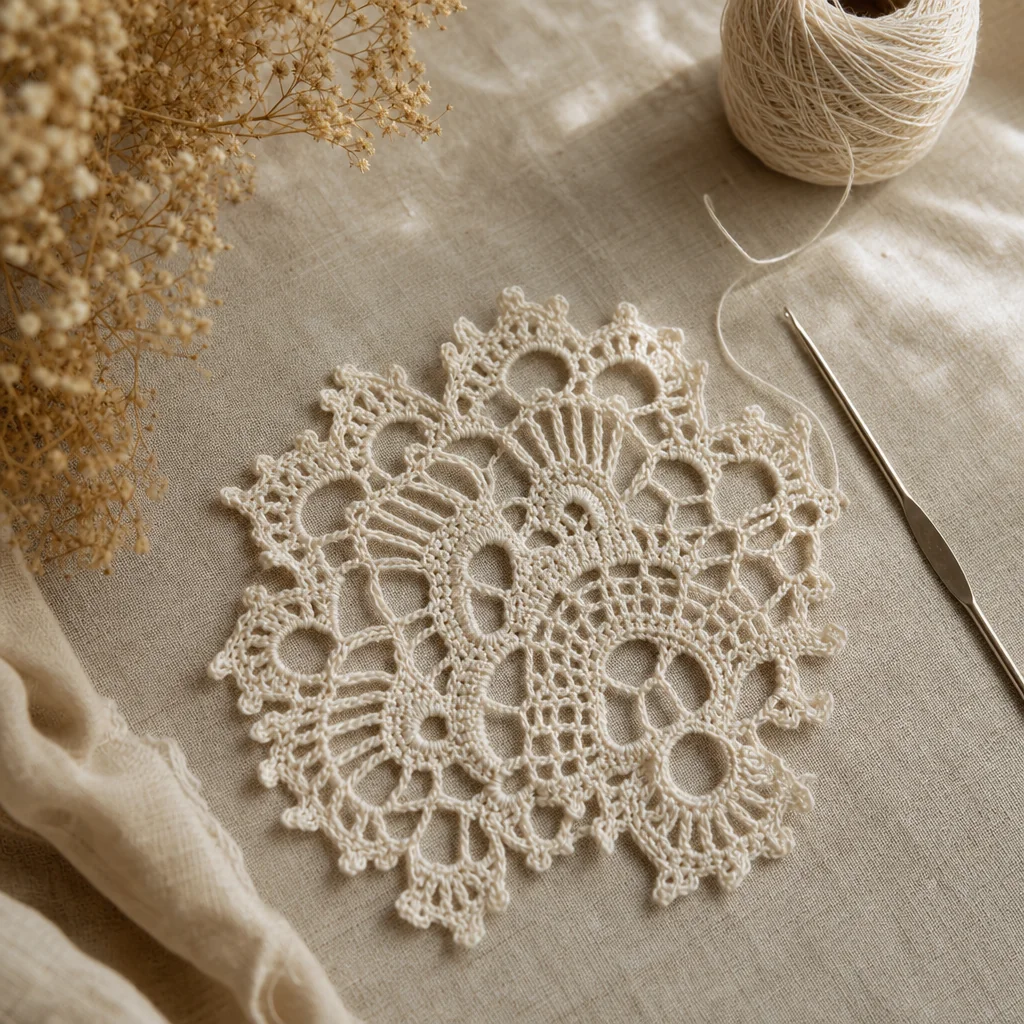
Bruges lace is a Belgian crochet technique where you work a narrow tape of stitches and curve it into scrolling, lacy motifs joined by picots or slip stitches. It mimics traditional bobbin lace and rewards patient stitchers with stunningly intricate results.
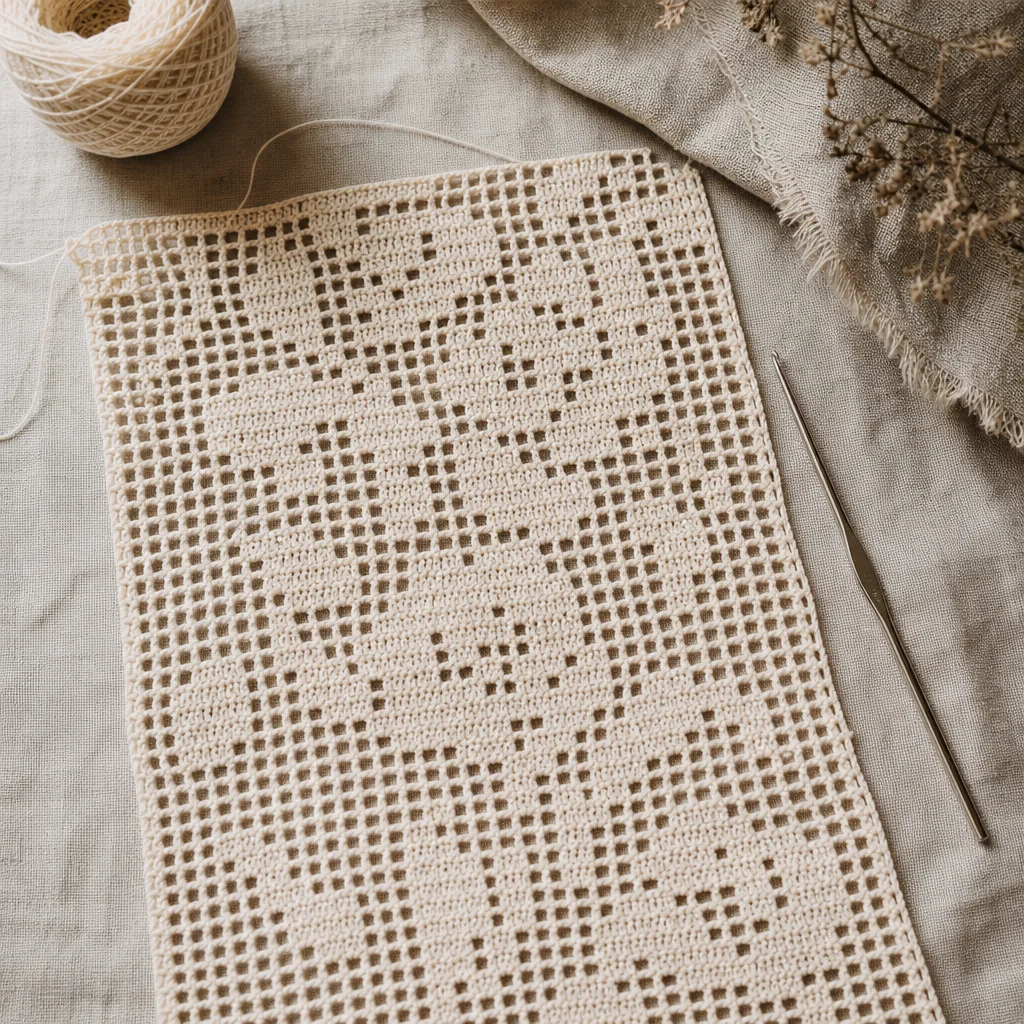
Filet crochet is a grid-based lace technique that uses filled and open squares to create pictorial designs in thread. This guide walks you through the fundamentals of the method and shows you how to turn any image into a custom filet pattern.
A colorwork chart is simply a grid where each square represents one stitch and each color or symbol tells you which yarn to use. Once you understand reading direction, color keys, and yarn-carrying technique, you can tackle any tapestry crochet pattern with confidence.
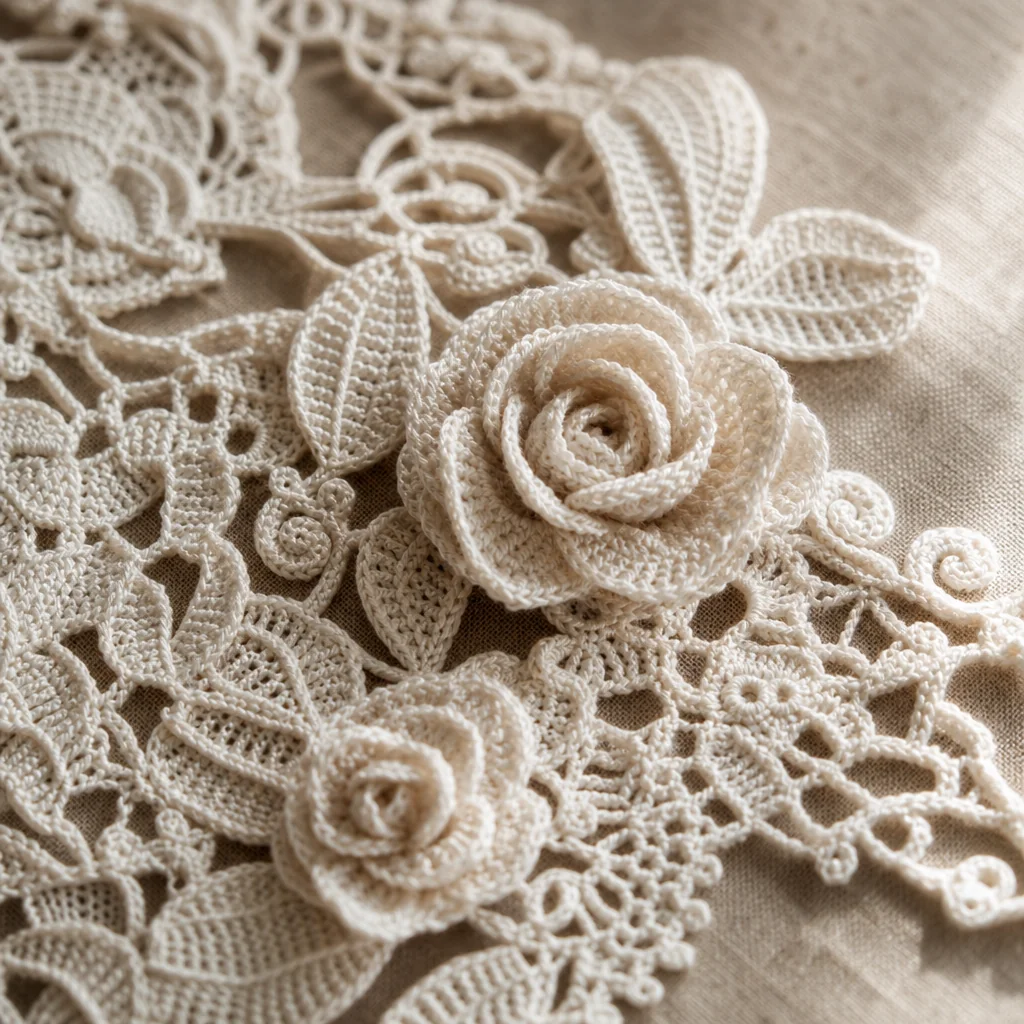
Irish crochet lace transformed a survival craft into an internationally celebrated art form, born during Ireland's Great Famine and celebrated in European fashion houses by century's end. This advanced technique combines raised motifs with delicate mesh backgrounds, creating some of the most intricate lace ever made with a hook.
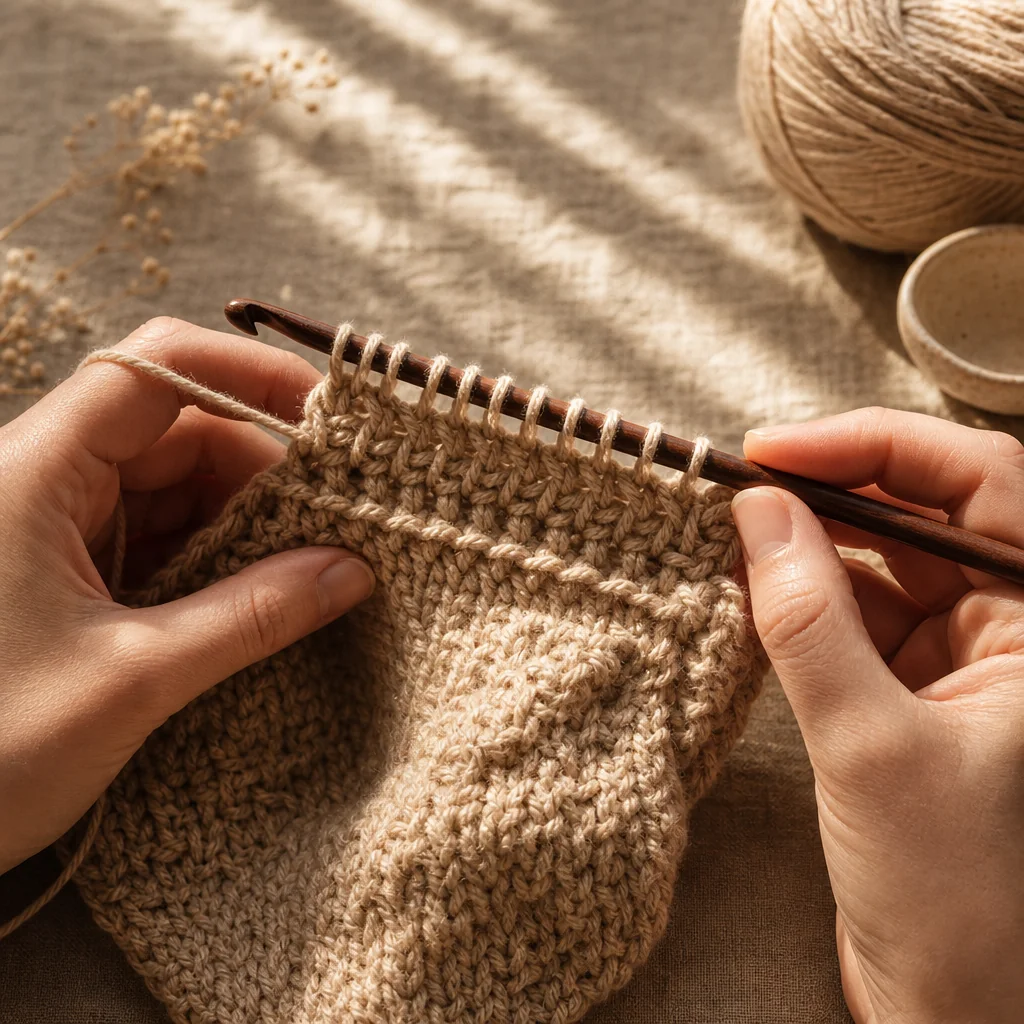
Tunisian crochet creates dense, textured fabric using a long hook and a unique two-pass technique that picks up loops across a row, then works them off. It's easier than knitting but produces a woven look that's perfect for structured projects like blankets, bags, and garments.
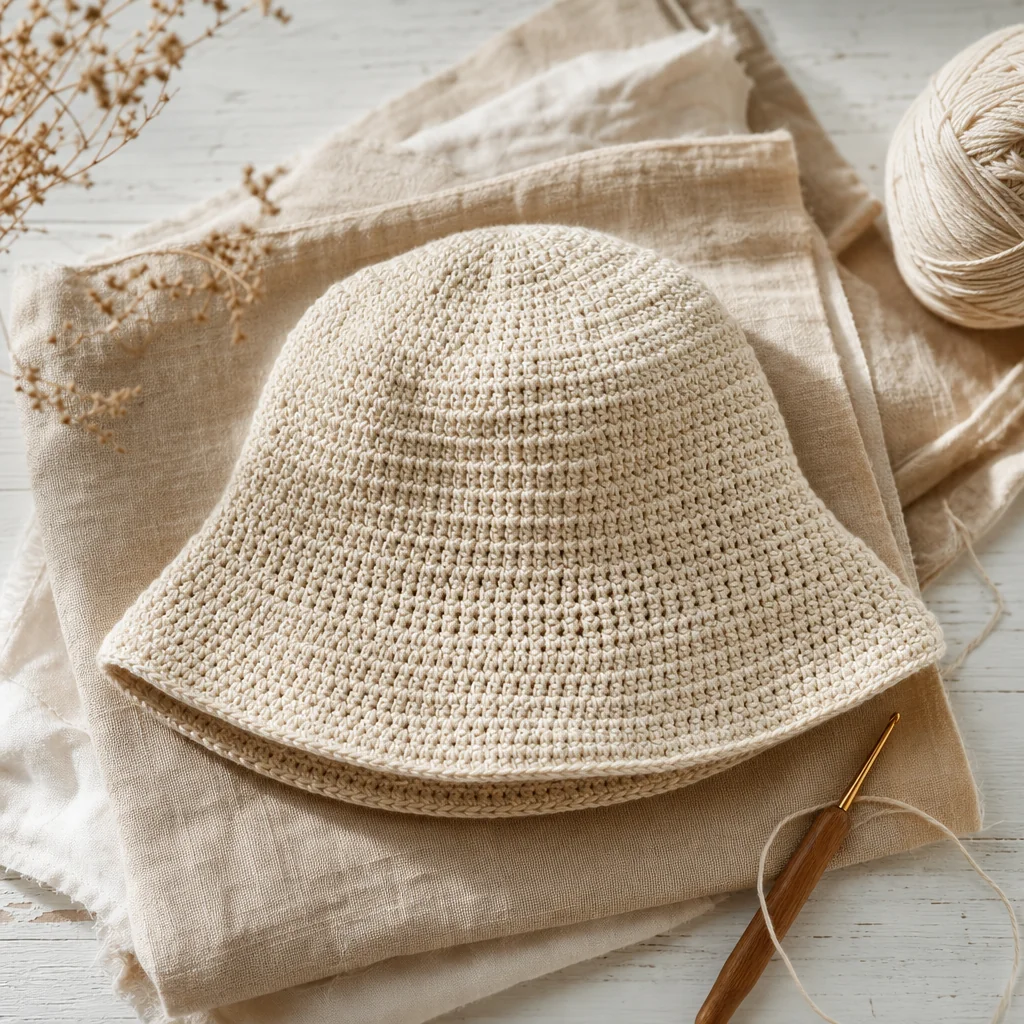
The crochet bucket hat has become the most-made first garment in 2026 because it teaches essential construction skills without requiring complex sizing or a huge time commitment. In just 4-6 hours and with minimal yarn, you'll create a wearable accessory that builds confidence for bigger projects.
2027-01-23 · 7 min read
Get crochet tips in your inbox
Join the newsletter for bilingual tutorials, new patterns, and Canadian yarn notes.