What Is Amigurumi? The Japanese Craft Behind the Trend
by Crochets Studio — A longtime crocheter who fell in love with amigurumi after making her first wonky octopus, now surrounded by a small army of handmade creatures that have taken over every shelf in the house.
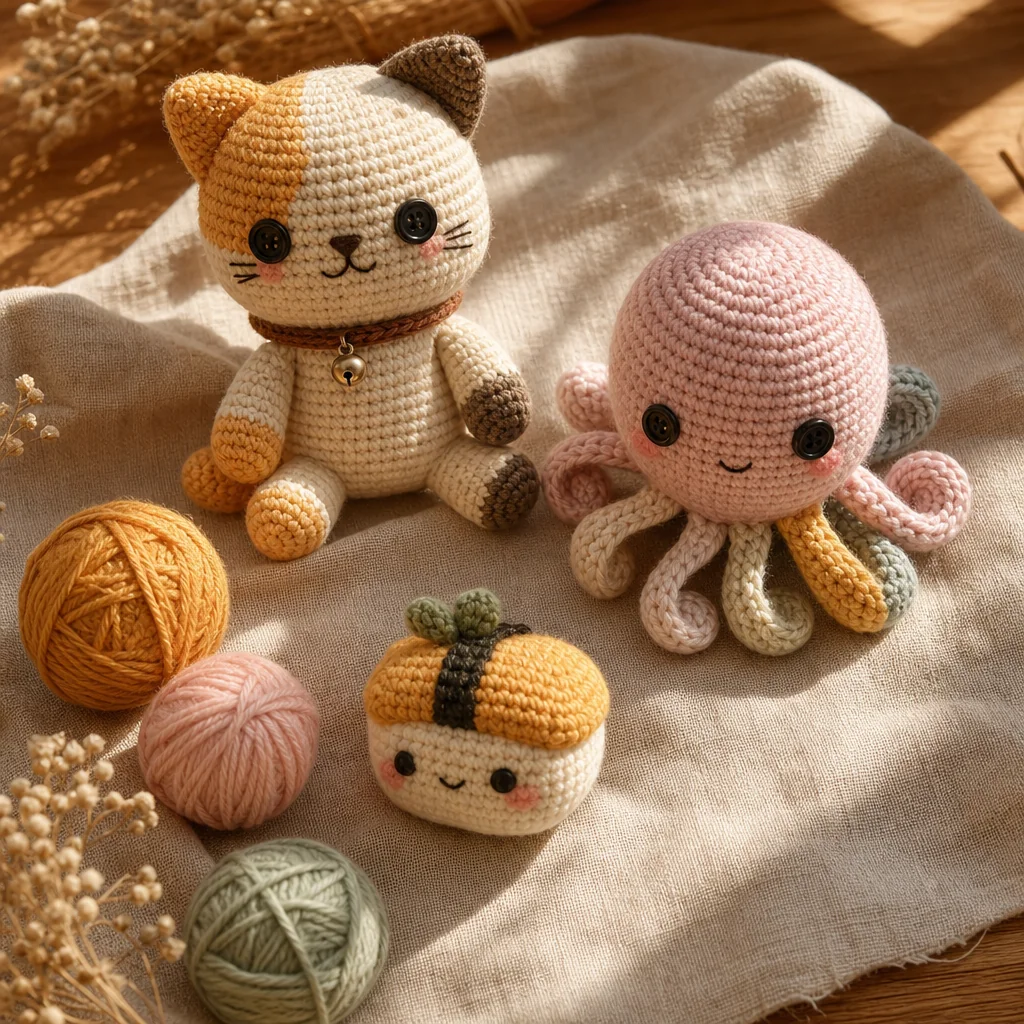
Amigurumi is the Japanese craft of crocheting small, stuffed toys—from animals to food to fantasy characters. Born from Japan's kawaii culture and popularized globally through online pattern sharing, it's become one of crochet's most accessible and rewarding techniques. Whether you're just learning your first stitches or designing complex creatures, amigurumi offers endless creative possibilities.
The Meaning Behind the Name
The word "amigurumi" isn't just a cute name—it tells you exactly what the craft is. It combines two Japanese words: ami, which means crocheted or knitted, and nuigurumi, meaning stuffed doll or plushie. Put them together, and you get the essence of the craft: small, soft creatures made from yarn and filled with stuffing.
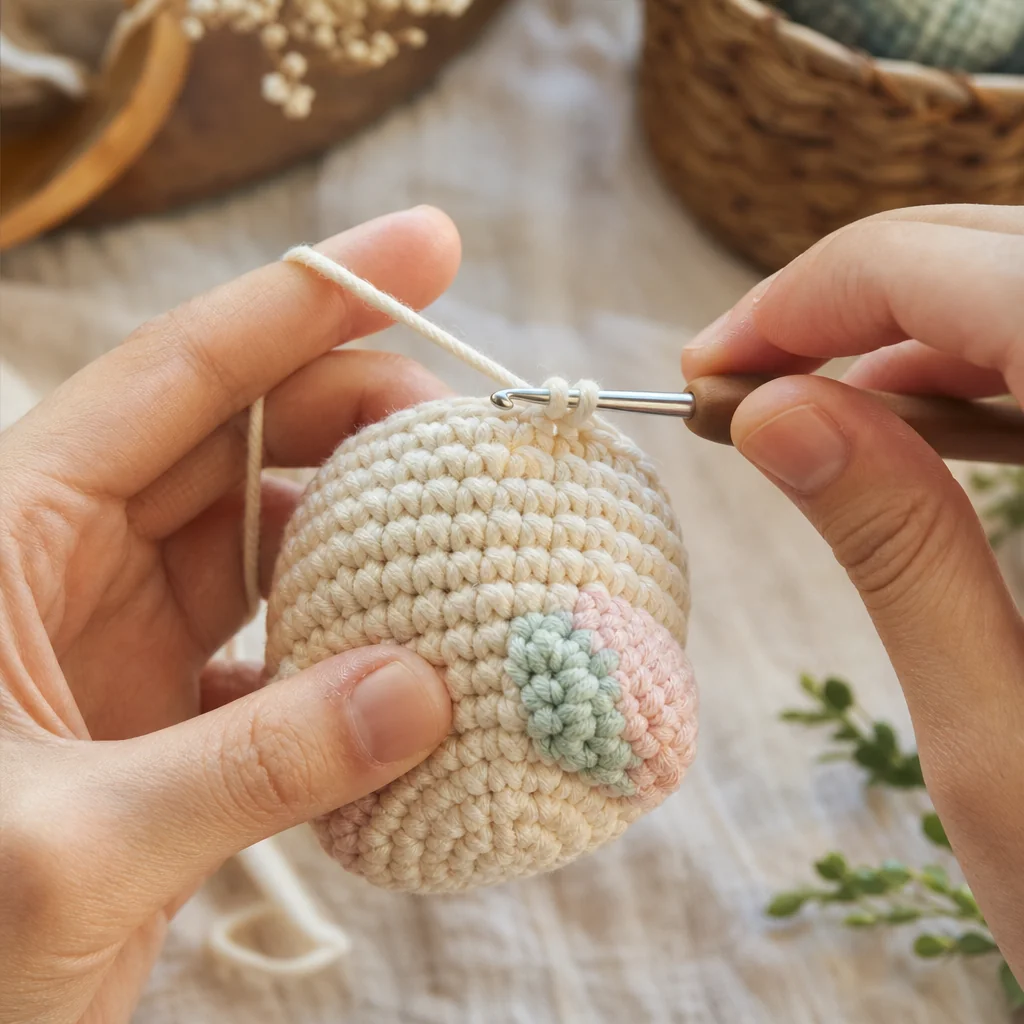
While both knitting and crochet can technically be used for amigurumi, crochet dominates the scene. The structure of crocheted fabric—denser, sturdier, and less stretchy than knitting—makes it ideal for creating three-dimensional shapes that hold their form and keep stuffing securely inside. The ability to work in continuous rounds without seaming also makes crochet the natural choice for creating those signature round, adorable shapes.
Roots in Japanese Kawaii Culture
Amigurumi didn't appear out of nowhere. It evolved from Japan's broader kawaii culture—the aesthetic of cuteness that emerged prominently in the mid-20th century and eventually influenced everything from fashion to food to crafts. During the 1970s and 1980s, as kawaii culture gained momentum, crafters began creating small, round, expressively cute characters using yarn.
These early amigurumi pieces shared common traits: oversized heads, small bodies, simple facial features, and round, huggable shapes. The style was distinctly different from Western stuffed toys, which often aimed for realism or cartoon exaggeration. Amigurumi creatures had their own visual language—one that prioritized charm, simplicity, and emotional appeal over anatomical accuracy.
The Global Explosion
For decades, amigurumi remained largely a Japanese craft, passed through magazines, books, and crafting circles. That changed in the early 2000s with the rise of online pattern sharing, craft blogs, and communities like Ravelry. Suddenly, crocheters around the world could access Japanese patterns, share their own creations, and connect with fellow enthusiasts.
Social media platforms—especially Instagram and Pinterest—accelerated amigurumi's popularity even further. The craft is inherently photogenic: small, colorful, and personality-filled pieces that photograph beautifully and inspire instant "I want to make that!" reactions. Hashtags like #amigurumi now showcase millions of creations, from traditional animals to pop culture characters to abstract designs.
The COVID-19 pandemic gave amigurumi another boost. With people seeking portable, satisfying projects they could work on at home, amigurumi fit perfectly. A small creature could be completed in days rather than weeks, providing a sense of accomplishment during uncertain times.
What Makes Amigurumi Different
Amigurumi has distinct characteristics that set it apart from other types of crochet:
Working in the Round
Most amigurumi pieces are worked in continuous spiral rounds rather than joined rounds. This creates seamless, smooth surfaces without the visible seam line you'd get from slip stitching and chaining at the end of each round. The technique requires keeping track of where rounds begin—usually with a stitch marker—but results in a cleaner finish.
Tight Tension
Amigurumi requires tighter tension than most crochet projects. The goal is to create a dense fabric that won't let stuffing peek through or allow the piece to lose its shape over time. Many amigurumi patterns recommend using a smaller hook than you'd typically use for the yarn weight, forcing the stitches closer together.
Simple Stitch Vocabulary
Despite their intricate appearances, most amigurumi pieces rely on just a few basic stitches—primarily single crochet, with occasional increases (two stitches in one stitch) and decreases (combining two stitches into one). The complexity comes not from fancy stitchwork but from shaping, assembly, and detail work.
Spheres and Ovals as Building Blocks
Almost every amigurumi piece starts with the same fundamental shapes: spheres for heads and bodies, ovals for limbs and ears, flat circles for features. Once you master these basic forms, you can combine and modify them to create virtually anything.
Why It Has Staying Power
Unlike many crafting trends that burn bright and fade fast, amigurumi has maintained its popularity for over two decades. Several factors explain its endurance:
Accessibility for All Skill Levels
A beginner can make a simple round amigurumi creature within days of learning to crochet. The basic shapes use only single crochet, increases, and decreases—skills most crocheters learn in their first few hours. Yet the craft also challenges advanced makers with opportunities for complex shaping, realistic details, poseable armatures, and custom pattern design.
Low Material Investment
Most amigurumi projects require small amounts of yarn—often just one or two skeins. This makes them affordable to start and perfect for using up yarn scraps from larger projects. The low stakes encourage experimentation: if a project doesn't work out, you've only invested a few dollars and a few hours.
Portability
Amigurumi projects travel well. The small size means you can toss one in your bag and work on it during commutes, waiting rooms, or lunch breaks. Unlike large blankets or garments that sprawl across your lap, an amigurumi creature fits comfortably in your hands.
Emotional Connection
There's something uniquely satisfying about creating a character with personality. As you add features and details, your amigurumi piece comes to life. Many crafters report feeling attached to their creations—some even struggle to give them away as gifts because they've bonded with them during the making process.
Endless Variety
The amigurumi framework adapts to any subject. Traditional animals, mythical creatures, food items, plants, pop culture characters, seasonal decorations, abstract designs—if you can imagine it, you can probably make it in amigurumi form. This versatility keeps the craft fresh and prevents creative burnout.
Getting Started with Amigurumi
If you're ready to try amigurumi, start with these foundations:
Master the Magic Ring
Most amigurumi pieces begin with a magic ring (also called a magic circle)—a technique that creates a tight, adjustable starting circle for working in the round. It's worth practicing this technique until it feels comfortable, as it's fundamental to most amigurumi patterns.
Learn to Read Amigurumi Patterns
Amigurumi patterns often use abbreviated notation. A line like "Rnd 3: [sc 2, inc] x 6 (18)" means: in round 3, repeat the pattern of single crocheting in 2 stitches then increasing in 1 stitch, six times total, ending with 18 stitches. Understanding this shorthand makes patterns much less intimidating.
Choose the Right Yarn
Smooth, tightly-plied yarns work best for amigurumi. Fuzzy or highly textured yarns can obscure your stitches and make it difficult to count or insert your hook accurately. Many amigurumi makers favor cotton or cotton-blend yarns for their stitch definition and washability.
Practice Consistent Tension
Amigurumi needs tight, even stitches. If your natural tension is loose, size down your hook. If your tension varies, practice making consistent stitches before starting a project—uneven tension will show in the finished piece.
Beyond the Basics
Once you're comfortable with fundamental amigurumi, the craft offers endless directions for growth:
- Safety eyes and noses give pieces a polished, professional look
- Embroidery details add personality and expression
- Wire armatures make limbs poseable
- Surface crochet creates textures like stripes or patterns
- Pattern design lets you bring your own ideas to life
Amigurumi isn't just a passing trend—it's a versatile, accessible craft tradition that connects you to a global community of makers while letting you create something genuinely unique. Each piece you make carries both the heritage of Japanese kawaii culture and your own creative vision.
Next step
Browse Amigurumi Patterns