Single Crochet vs. Double Crochet: Master the Two Essential Stitches
by Crochets Studio — A lifelong fiber enthusiast with over a decade of crochet experience, I love helping others discover the joy and calm that comes from working with yarn. When I'm not crocheting, you'll find me exploring yarn shops and sharing stitch tips with fellow makers.
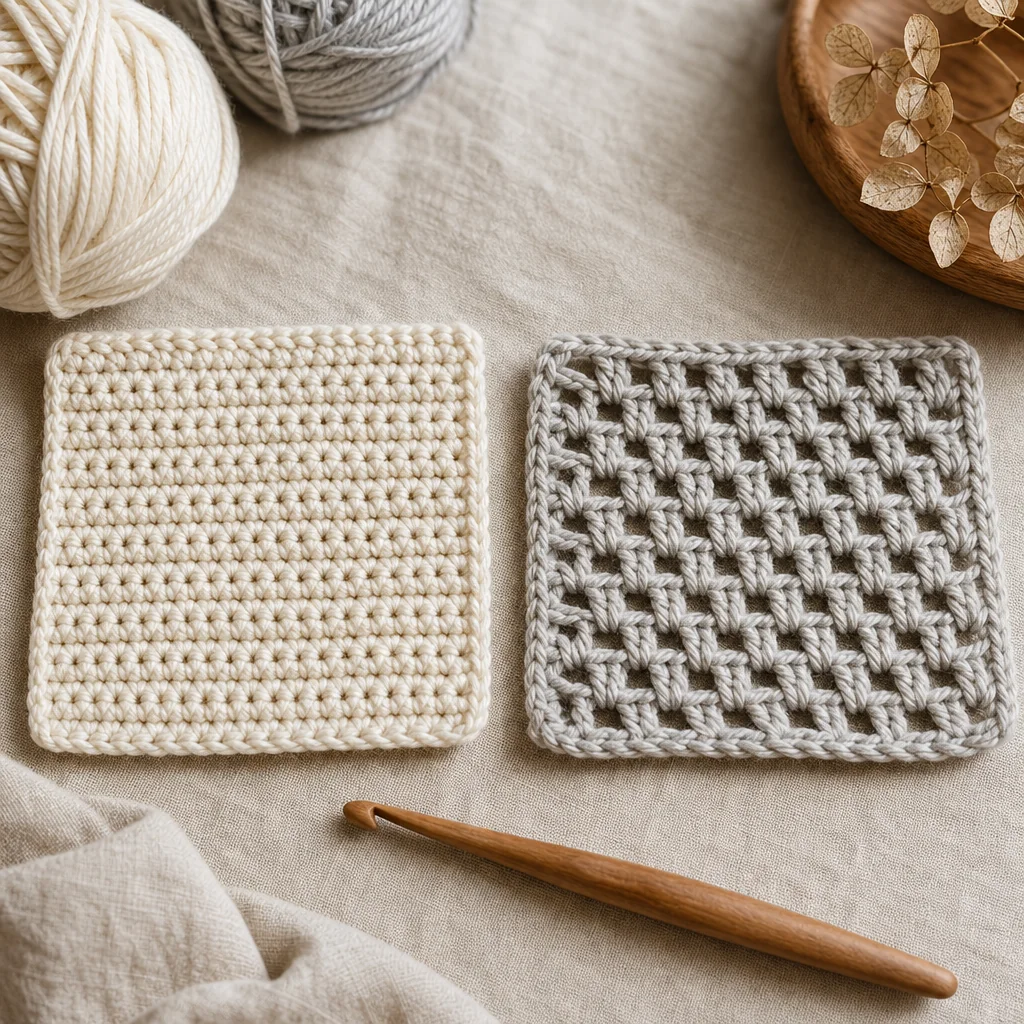
Single crochet and double crochet are the two building blocks of crochet. The main difference lies in stitch height, technique, and the fabric they create: single crochet produces a short, dense, sturdy fabric, while double crochet produces a taller, looser, more drapey result. Learning to master both stitches opens the door to countless pattern possibilities.
Why These Two Stitches Matter
When you're starting your crochet journey, single crochet and double crochet are often the first stitches you'll learn. They're not just beginner stitches—they're the foundation for almost every pattern you'll ever make. Whether you're crafting a cozy blanket, a structured bag, or delicate amigurumi, you'll return to these two stitches again and again. Understanding how they differ, both in technique and in the final look, will help you make better choices in your projects and troubleshoot patterns more confidently.
Single Crochet: The Short and Sturdy Foundation
Single crochet (SC) is the shortest of the basic crochet stitches. It creates a tight, compact fabric that feels substantial in your hands. This stitch is your go-to when you need structure, durability, and a firm drape.
How Single Crochet Works:
Here's the step-by-step breakdown of a single crochet stitch:
- Insert your hook into the stitch (or chain)
- Yarn over and pull through the stitch (you now have 2 loops on your hook)
- Yarn over again and pull through both loops
That's it—just three simple movements. The beauty of single crochet is that it's straightforward, and the more you practice, the more even and consistent your stitches become.
What Single Crochet Creates:
Because you're working through the stitch twice—once to pull the yarn through, and again to secure the loop—single crochet produces a very dense fabric. This density makes single crochet perfect for:
- Amigurumi (stuffed toys): The tight fabric prevents stuffing from showing through
- Bags and structured items: You need a sturdy fabric that holds its shape
- Dishcloths and washcloths: The density creates an absorbent, durable cloth
- Edges and edgings: Single crochet gives a neat, finished look
- Items that need reinforcement: Straps, handles, or areas under stress
Single crochet also tends to use more yarn than double crochet, so a project will take longer to complete—but you'll end up with something that lasts.
Double Crochet: The Tall and Flowing Stitch
Double crochet (DC) is roughly twice the height of single crochet. It creates a looser, more open fabric that drapes beautifully. This stitch is ideal when you want visual impact, faster progress, and elegant movement in your finished piece.
How Double Crochet Works:
Double crochet involves one extra step compared to single crochet:
- Yarn over (this is key—you yarn over before inserting your hook)
- Insert your hook into the stitch
- Yarn over and pull through (you now have 3 loops on your hook)
- Yarn over and pull through 2 loops (you now have 2 loops left)
- Yarn over and pull through the remaining 2 loops
That yarn over at the beginning is what makes double crochet different. It's what gives it that extra height.
What Double Crochet Creates:
The looser structure of double crochet means your yarn shows and flows differently. Double crochet is your choice for:
- Blankets: Works up faster and drapes beautifully
- Scarves and wraps: Creates an elegant, flowing garment
- Garments and clothing: The drape flatters the body and works up quickly
- Shawls and lacy projects: When you want an airy, delicate look
- Projects where you want to see stitch definition: The open structure makes stitch patterns and color work really pop
- Quick projects: Double crochet covers more area with fewer stitches
Double crochet also uses less yarn than single crochet for the same finished dimensions, so your project will progress faster.
Comparing the Two Stitches Side by Side
| Feature | Single Crochet | Double Crochet | |---------|----------------|----------------| | Stitch Height | Short (approximately 1.3 cm) | Tall (approximately 2.5 cm) | | Fabric Density | Very tight and compact | Looser and more open | | Drape | Stiff, holds its shape | Flowing, drapes gracefully | | Yarn Usage | More yarn per area | Less yarn per area | | Speed | Slower to work | Faster to work | | Best For | Structure, durability, detail | Flow, speed, elegance | | Difficulty | Slightly easier to learn | Slightly more coordination needed |
How to Recognize Each Stitch
When you're reading a pattern or looking at finished crochet, you can tell single crochet and double crochet apart by their appearance.
Single Crochet looks like tiny, tight bumps. The rows are very close together, and the fabric feels solid. If you hold a single crochet swatch up to the light, you'll notice the light doesn't shine through much—the fabric is tightly woven.
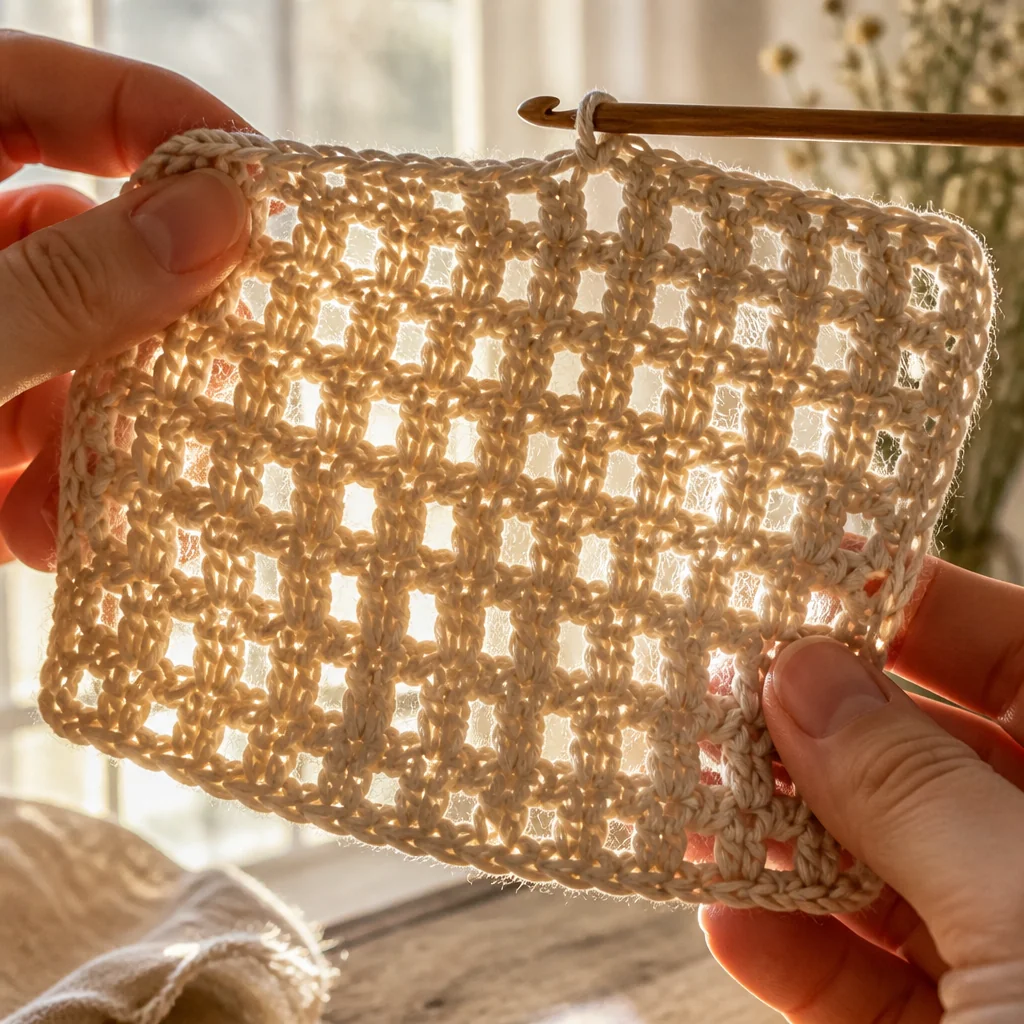
Double Crochet creates a more open, lacy appearance. You can see the space between stitches more clearly. Hold a double crochet swatch up to the light and you'll see light pass through the fabric.
Choosing the Right Stitch for Your Project
So which stitch should you choose? Here's a practical guide:
Choose Single Crochet when:
- You need a structured, durable fabric
- You're making something that needs to hold its shape (bags, amigurumi, hats)
- You want a finished edge or are adding edging to a project
- You're working on a pattern that specifically calls for it
- You want a more polished, uniform look
Choose Double Crochet when:
- You want something that drapes and flows
- You're making a blanket, scarf, or garment
- You want to work faster and cover more area
- You want a more relaxed, open aesthetic
- You're working with a delicate yarn and want the stitches to show
Use Both when: Many experienced crocheters mix single crochet and double crochet in the same project. You might use single crochet for the body of a bag (for structure) and double crochet for a border (for visual interest). You might make a blanket in double crochet and use single crochet for the edging. Combining stitches creates texture, contrast, and design depth.
Practice Tip: Feel the Difference
The best way to understand these stitches isn't just to read about them—it's to feel them. Try this exercise: Make a small swatch of single crochet (about 20 stitches wide, 20 rows tall) and a matching swatch of double crochet. Then:
- Hold them side by side and compare the height
- Stretch them gently—notice how the single crochet resists, while the double crochet gives
- Hold them up to light and observe the density
- Feel the weight in your hands
This tactile experience will help you internalize the differences far better than any description can.
Moving Forward with Your Crochet Skills
Mastering single crochet and double crochet is truly the gateway to crochet. Once these stitches feel natural in your hands, you're ready to explore half double crochet, treble crochet, and all the specialty stitches that build on these foundations. You'll start to recognize patterns instantly, you'll understand why a designer chose a particular stitch, and you'll gain the confidence to modify patterns to suit your preferences.