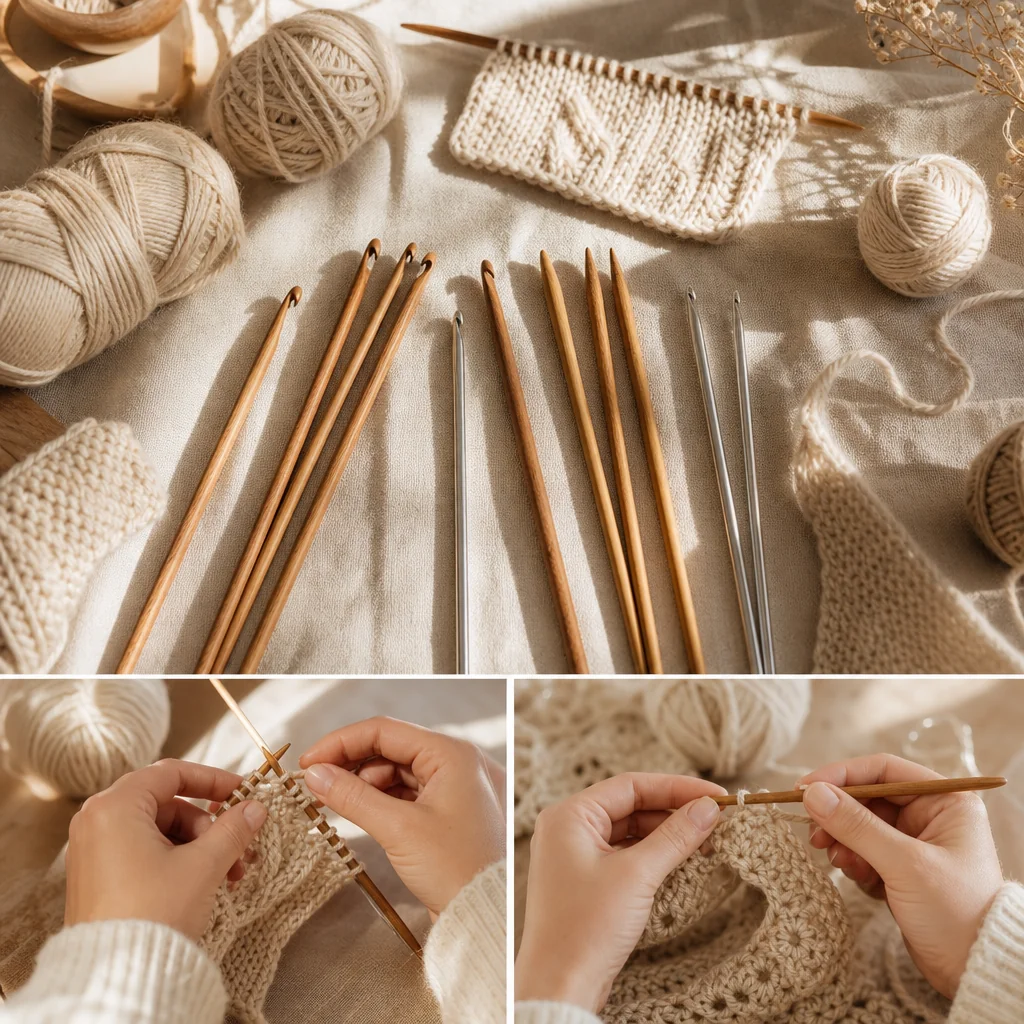
Crochet vs. Knitting: Which Craft Should You Choose First?
by Crochets Studio — A fiber artist and craft educator based in Quebec with over a decade of experience teaching both crochet and knitting to learners of all ages. She believes every crafter deserves to start their journey in a way that celebrates their unique learning style and creative goals.
Choosing between crochet and knitting is one of the first decisions new fiber crafters face. While both crafts share a love of yarn and creativity, they have distinct learning curves, tooling requirements, and end results that make one more suitable than the other depending on your goals and comfort level.
Understanding the Basics
When you're ready to dive into the world of yarn crafts, the question isn't really whether crochet or knitting is "better"—it's which one aligns best with how you like to learn, what makes you excited, and what you want to create. Both are deeply rewarding practices that connect you to centuries of creative tradition, and many crafters eventually learn both. The key is starting with the one that will keep you engaged and motivated.
Why Crochet Often Wins for Beginners
Fewer Tools to Master
Crochet requires just one hook, while knitting demands two needles working in tandem. This single-tool approach means less coordination to develop initially and fewer pieces to keep track of. You're not balancing tension across two needles or worrying about dropping stitches from both ends. For someone picking up a craft for the first time, this simplicity is liberating. You can focus entirely on learning your stitches rather than dividing your attention between tool management and technique.
Stitches Build Visibly and Quickly
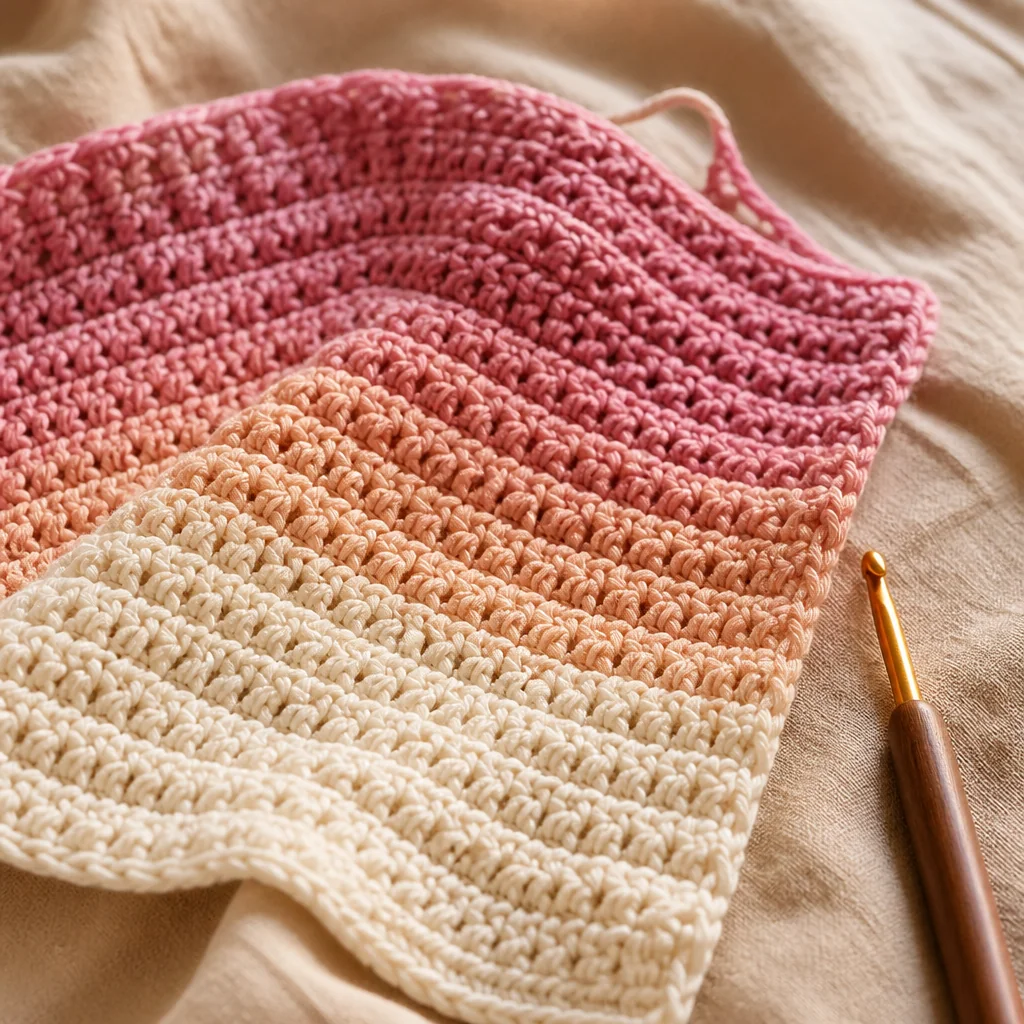
One of the most motivating aspects of crochet is watching your work grow. A single crochet stitch is taller and more substantial than a knit stitch, so projects progress noticeably from row to row. This immediate gratification is powerful for beginners. You finish a dishcloth in an afternoon, a baby blanket in a few weeks, or simple amigurumi in a single sitting. That sense of accomplishment keeps you coming back to practice more.
Fixing Mistakes Is Forgiving
Made an error three rows back? With crochet, you simply pull your yarn and unravel to that point. You won't lose dozens of stitches cascading down your piece. If you need to frog (rip it, rip it), you're only undoing work on one strand. Knitting can unravel dramatically—one dropped stitch can travel several rows down, requiring careful ladder-stitch fixes. While both crafts teach problem-solving, crochet's forgiving nature builds confidence faster.
Perfect for Instant-Gratification Projects
Crochet shines for quick, satisfying projects. Dishcloths, coasters, simple scarves, headbands, and amigurumi all work beautifully in crochet and can be completed relatively quickly. This is psychologically important for new crafters. Small wins build momentum and skill. You're not committing to a six-month sweater project when you're still learning basic stitches.
When Knitting Might Be Your First Choice
Creating Fitted Garments
If your main goal is making wearable clothing—particularly fitted sweaters, socks, or structured garments—knitting is traditionally the better choice. Knit fabric is thinner, more drapey, and creates that professional, refined finish you see in commercial knitwear. While crochet can absolutely make beautiful garments, it tends to produce stiffer, heavier fabric that works better for blankets, toys, and textural pieces.
Fine, Intricate Work
Knitting allows for finer gauge work and delicate, lacy patterns that showcase detail beautifully. If you're drawn to intricate stitch patterns, colorwork, or creating heirloom-quality pieces, knitting's precision might appeal to you from the start.
If You Already Know a Knitter
Learning with a friend or family member who knits is invaluable. Having someone to untangle mistakes, adjust your tension, and celebrate progress with makes the learning curve gentler. If your support system is knit-based, starting there might be the pragmatic choice.
Comparing the Learning Curves
Crochet's Trajectory
Crochet typically has a gentler initial learning curve. Basic stitches—single crochet, half double crochet, double crochet—are easier to execute consistently as a beginner. You can produce a finished project that looks polished within a few hours of practice. However, advancing to complex stitch patterns, intricate colorwork, or structured garment shaping does require skill development.
Knitting's Trajectory
Knitting often feels harder initially. Maintaining tension on two needles, managing stitches on both sides, and coordinating your hands takes practice. Mistakes feel more dramatic. But many knitters find that once basic rhythm is established, the meditative flow comes quickly, and the ability to create fitted garments opens up vast creative possibilities.
Considering Your Creative Goals
Before deciding, ask yourself: What do I want to make first? If the answer is "a cozy blanket, fun amigurumi, or textured scarves," crochet is your friend. If you're dreaming of fitted sweaters, delicate shawls, or fine accessories, knitting deserves serious consideration.
Also consider your learning style. Are you someone who thrives with quick wins and visible progress? Crochet feeds that need. Do you prefer patient, meditative work that unfolds gradually? Knitting might satisfy that better.
The Real Truth: You Don't Have to Choose Forever
Here's the secret most experienced fiber crafters will tell you: the choice isn't permanent. Starting with crochet doesn't lock you out of knitting later—it actually makes knitting easier to learn because you already understand yarn management, tension, and stitch fundamentals. Similarly, knitters often find crochet refreshingly simple once they understand basic yarn craft principles.
Many crafters eventually work in both mediums, using each for projects where it truly shines. Your first choice is simply about where to begin your journey, not about declaring lifelong allegiance to one craft.
Making Your Decision
If you're still undecided, consider starting with crochet. It offers the gentlest introduction, the quickest sense of accomplishment, and the most forgiving learning environment. You'll build foundational skills—tension control, stitch consistency, reading patterns—that translate directly to knitting if you choose to explore it later.
But if your heart is set on creating fitted garments or you have knitting mentorship available, don't hesitate to start there instead. The best craft is the one you'll actually practice, and enthusiasm is half the battle in learning any new skill.
Whichever you choose, you're joining a global community of creators who find deep satisfaction in transforming yarn into wearable art. That's what matters most.
Next step
Explore Our Beginner Crochet Guide