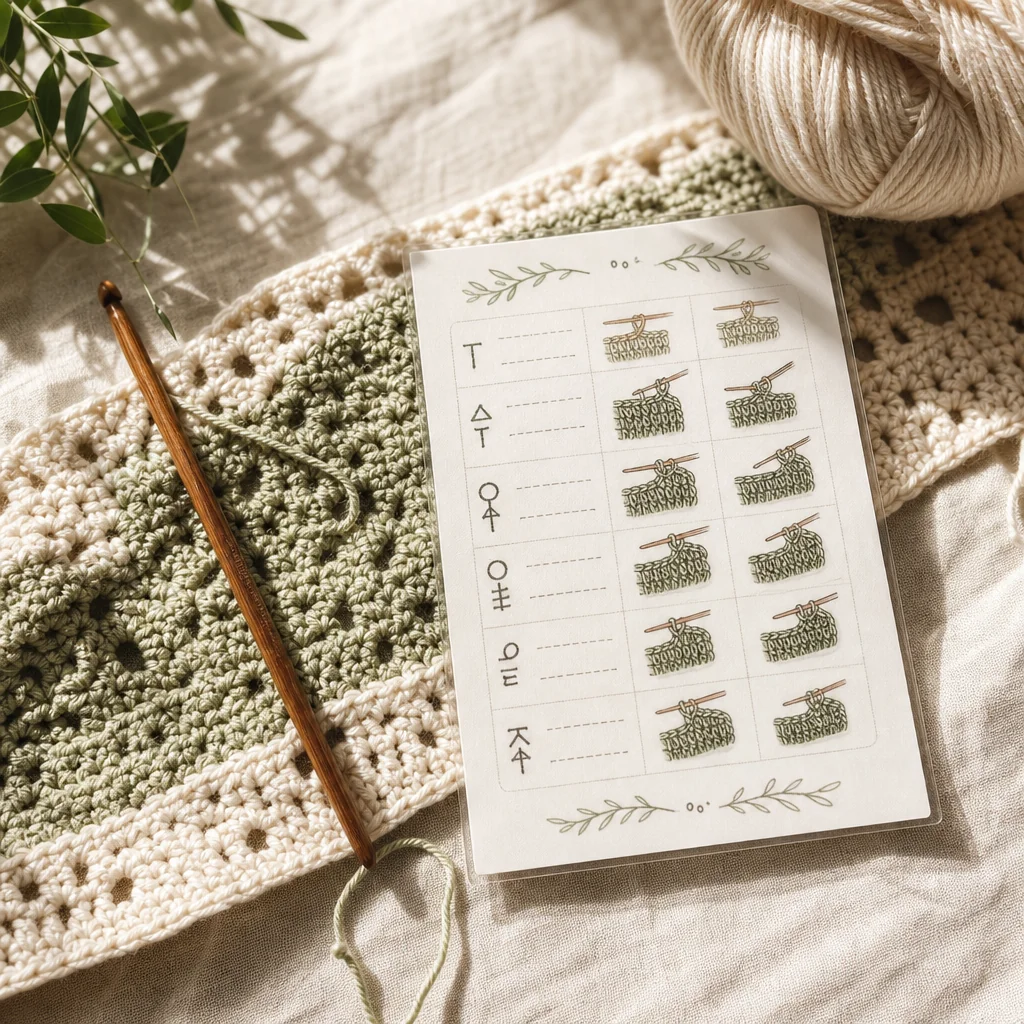
Crochet Abbreviations Cheat Sheet: Your Complete Guide to Pattern Shorthand
by Crochets Studio — Maya has been crocheting for over a decade and loves helping beginners discover the joy of working with yarn. She believes that every pattern becomes manageable once you understand the language, and shares practical tips to make learning faster and more fun.
Crochet abbreviations are simply shorthand used in patterns to save space and make instructions easier to follow. Learning the core abbreviations takes just a few minutes, and understanding them transforms your ability to read and complete any pattern successfully. This guide covers every abbreviation you need as a beginner, plus tips for keeping your reference handy while you work.
Why Abbreviations Matter
When you open a new crochet pattern, you're not looking at regular English sentences. Instead, you see compact instructions filled with two- and three-letter codes. These abbreviations exist for a practical reason: they save space, keep patterns organized, and let experienced crocheters scan instructions quickly. As a beginner, learning these codes is one of the fastest ways to build confidence and start reading patterns independently.
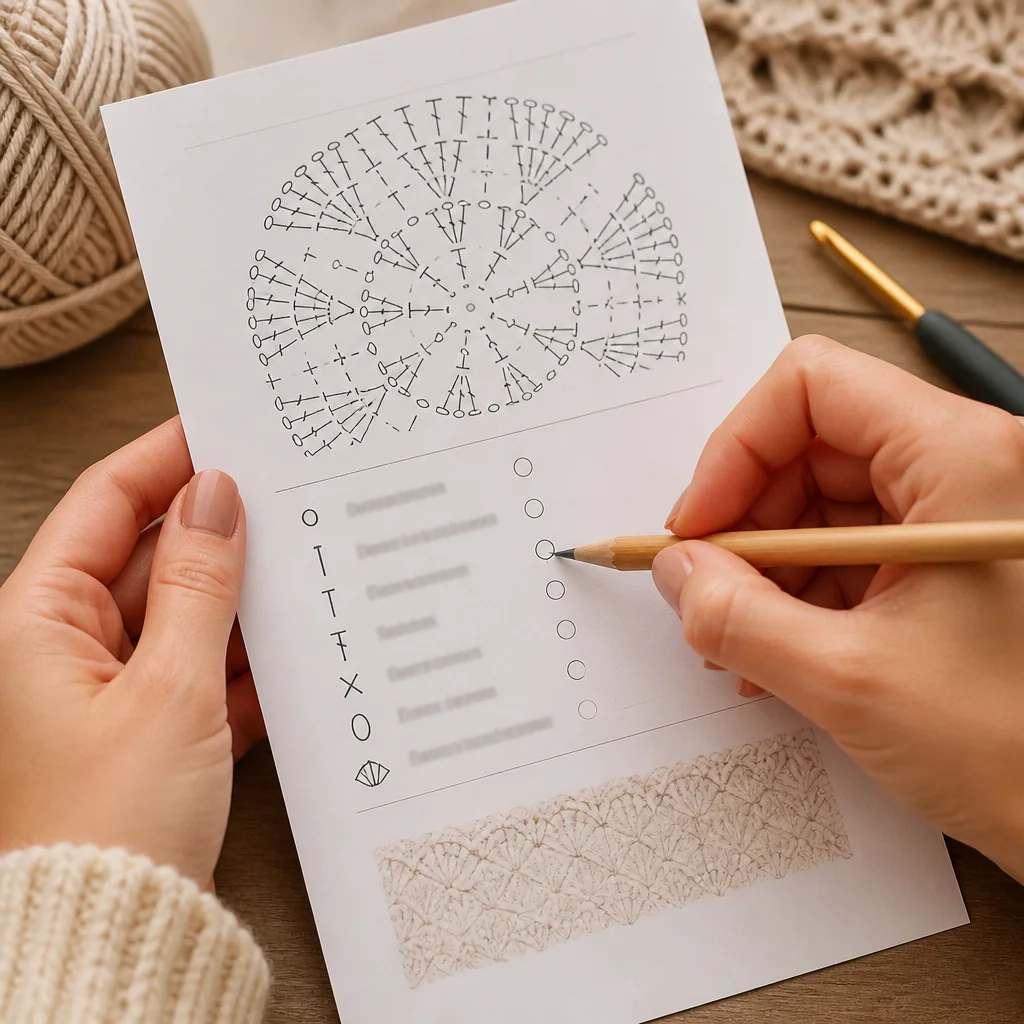
The good news? Most patterns use the same abbreviations over and over. Once you memorize the core dozen or so, you'll recognize them instantly, and pattern reading stops feeling like decoding a secret message.
The Essential Stitches
Every crochet pattern relies on a foundation of basic stitches. These are the moves your hook will make hundreds of times, and they're always abbreviated the same way:
Foundation and Basic Stitches
ch - Chain The foundation of almost every project. You create chains by pulling yarn through a loop on your hook.
sl st - Slip Stitch Used to join rounds or move your yarn across stitches without adding height. It's the shortest stitch in crochet.
sc - Single Crochet The shortest stitch that actually adds height to your work. It creates a dense, sturdy fabric perfect for amigurumi and structured pieces.
hdc - Half Double Crochet Slightly taller than single crochet, this stitch works up faster while still maintaining structure. Many blankets and hats use this stitch as their base.
dc - Double Crochet One of the most versatile stitches in crochet. It's taller than half double crochet, works up quickly, and appears in countless patterns from baby blankets to shawls.
tr - Treble Crochet A tall stitch that creates an open, airy fabric. Trebles are often used in lacy designs and openwork patterns.
Techniques and Actions
Beyond the stitches themselves, patterns include abbreviations for the techniques you'll use while crocheting:
yo - Yarn Over The act of wrapping yarn around your hook. Most stitches begin with a yarn over, and understanding this motion is fundamental to all crochet work.
inc - Increase Adding extra stitches in the same stitch or space. You'll use increases to make your fabric wider, and they're essential for shaping garments and creating curves.
dec - Decrease Removing stitches by combining two or more stitches into one. Decreases let you shape your work and create fitted garments.
Pattern Structure Abbreviations
Patterns also use abbreviations to organize instructions and show you what to repeat:
rep - Repeat Instructions following "rep" should be done multiple times. A pattern might say "rep 3 times" or "rep around."
sp - Space The gap created between stitches, usually from chain stitches. For example, "dc in sp" means to work a double crochet in the space under the chains from the previous row.
st(s) - Stitch(es) The plural is shown with parentheses. "3 st" means three stitches, while "st" alone refers to a single stitch.
rnd - Round Used in circular projects. Instructions for each round are usually numbered or marked separately.
row - Row Used in flat projects worked back and forth. Each row is typically numbered.
Other Helpful Abbreviations
As you explore more patterns, you'll encounter additional abbreviations:
tog - Together Used when decreasing or working multiple elements as one unit, like "sc 2 tog" (single crochet 2 together).
sk - Skip Move past a stitch without working into it. This creates the openwork effects you see in many designs.
sp - Space The deliberate gap between stitches, often created by chains.
BL - Back Loop Working through only the back loop of a stitch creates a ridged texture.
FL - Front Loop Working through only the front loop creates a different texture effect.
Reading Abbreviations in Context
Patterns combine these abbreviations into instructions that look like this:
"Ch 4, dc in 4th ch from hook, ch 1, sk 1 ch, dc in next ch rep from * across."
Broken down, this means:
- Ch 4: Make four chain stitches
- dc in 4th ch from hook: Work a double crochet into the fourth chain from your hook
- ch 1, sk 1 ch, dc in next ch rep from * across: Repeat the pattern between the asterisks (one chain, skip one chain, one double crochet) all the way across
Once you recognize the abbreviations, the instruction becomes a clear sequence of actions.
Creating Your Personal Reference
The best way to learn abbreviations is to see them in action. As you work through patterns, keep this cheat sheet nearby. Refer to it as needed—there's no penalty for looking things up while you're learning. Over time, your eyes will start recognizing the abbreviations automatically, and you won't need to pause and check.
Print this guide and keep it in your crochet project bag. Laminate it or slip it into a page protector so it stays clean through multiple projects. Some crocheters keep a copy taped inside their pattern binder for quick reference. Others photograph it to keep on their phone while crocheting.
Practice Makes Automatic
Don't feel pressured to memorize every abbreviation immediately. Beginners typically learn the core stitches first (ch, sc, dc) and pick up the others naturally as they encounter them in patterns. Each time you use an abbreviation, it becomes a little more familiar. After completing just two or three projects, you'll notice that pattern reading feels effortless.
The abbreviations system exists to help you, not overwhelm you. It's actually a generous shorthand that lets patterns fit on a page and keeps instructions scannable. Once you've internalized these codes, you'll appreciate how much clearer patterns become compared to writing everything out in full sentences.
Moving Forward
Now that you understand the abbreviations, you're ready to tackle your first pattern. Start with beginner-friendly projects that use only basic stitches, keep your cheat sheet close, and work through the instructions one step at a time. Every stitch builds your confidence and your familiarity with the abbreviation system. Before you know it, you'll be reading patterns like a seasoned crocheter.
Next step
Explore Our Stitch Library