Best Yarn for Beginners in Canada (and Where to Buy It)
by Crochets Studio — Written by a lifelong crocheter from Québec who still remembers ruining her first three skeins of yarn before figuring out what actually works.
If you're picking up a hook for the first time, the yarn you choose can make or break your experience. The short answer: go for a smooth, medium weight acrylic in a light colour, and buy it at Michaels, Walmart, or a local yarn shop near you. Below is a full breakdown of the best options sold in Canada and exactly where to find them.
What Makes Good Beginner Yarn?
Not all yarn is created equal, especially when you're still learning to read your stitches. As a beginner, you want yarn that's smooth, forgiving, and easy on the eyes so you can actually see what your hook is doing.
Weight Matters
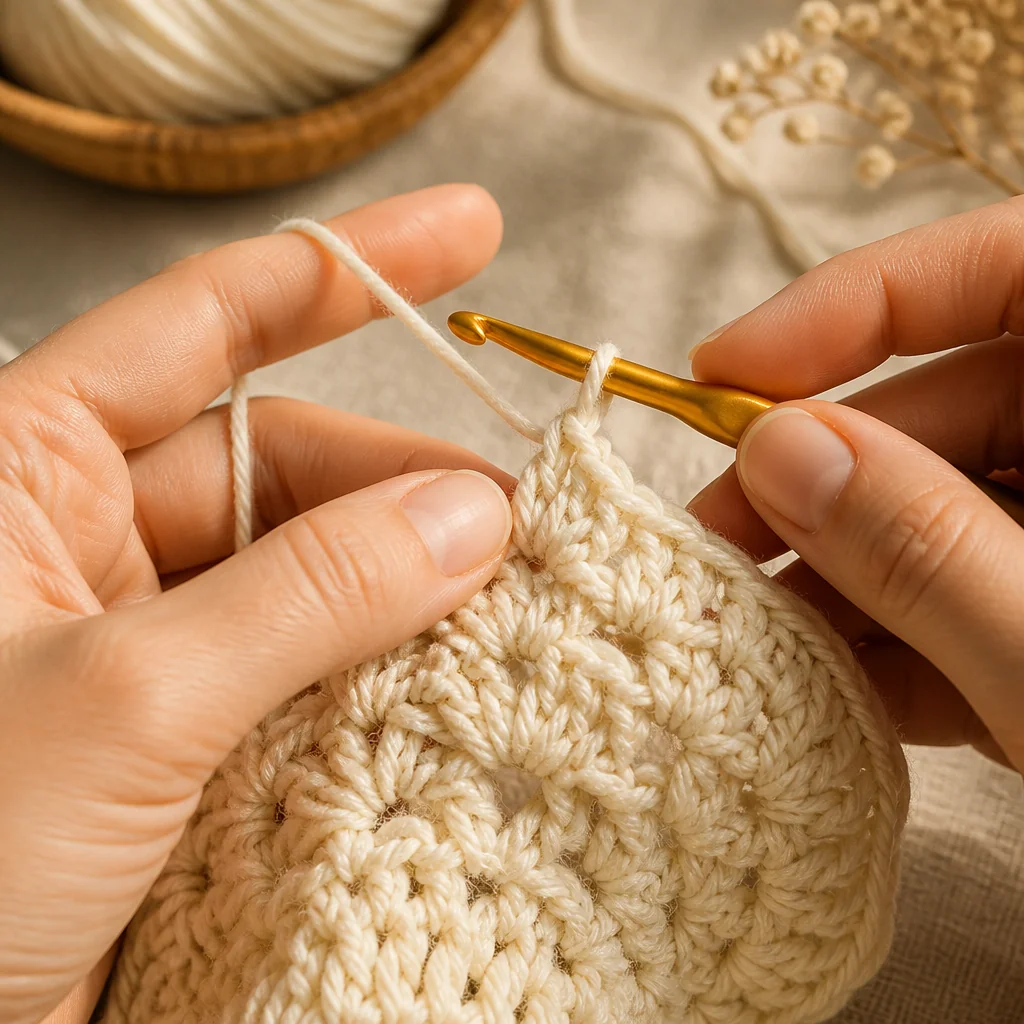
Stick with medium weight yarn, labeled worsted or size 4 on the label. It's thick enough to work up quickly and see clearly, but not so bulky that it's hard to control. Skip fingering or lace weight (too thin, too fiddly) and skip super bulky (fun for scarves later, but hard to keep tension consistent as a first project).
Fibre Content
Acrylic and acrylic blends are the beginner's best friend. They're affordable, machine washable, widely available, and forgiving if you have to rip out a row (or five). Natural fibres like wool are lovely, but they can felt if handled roughly, and pure wool tends to cost more, which adds pressure when you're still making mistakes.
Colour and Texture
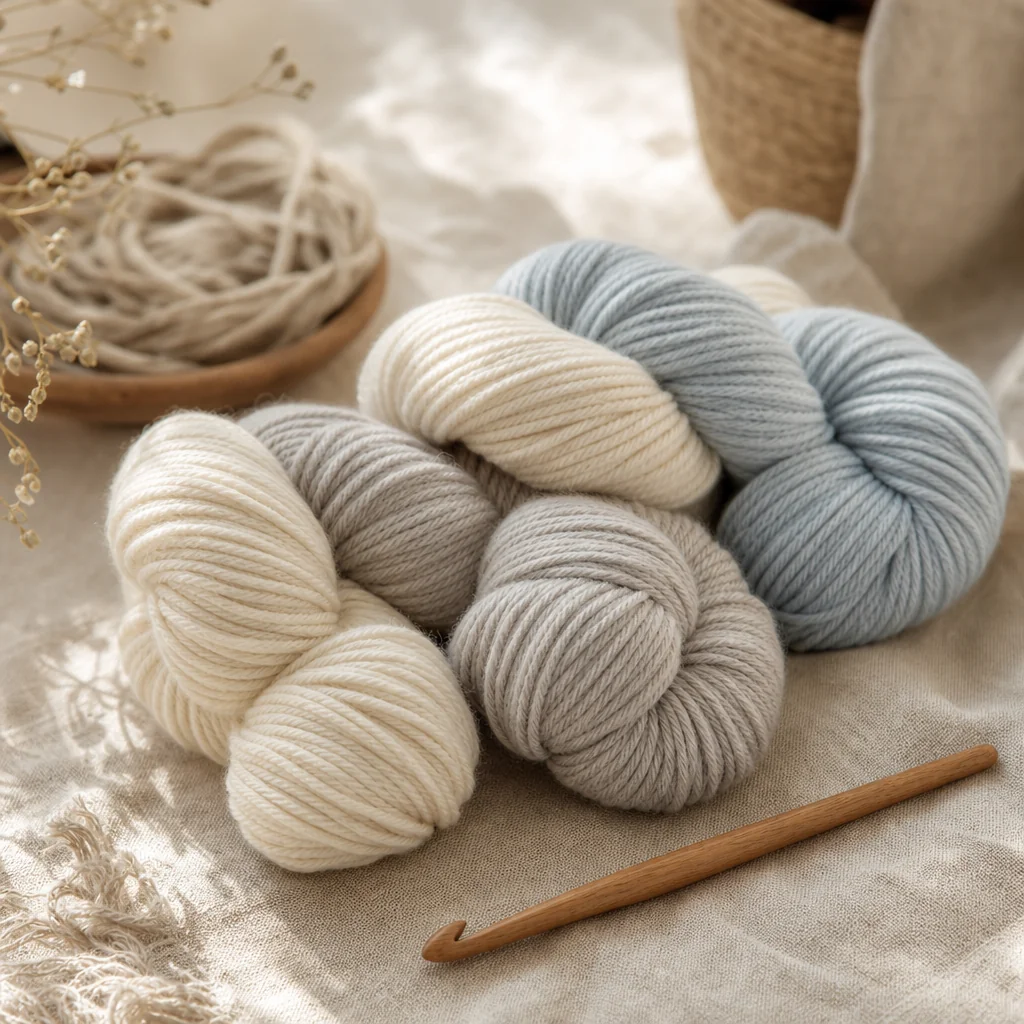
Choose light to medium solid colours. Cream, light grey, soft blue, and pastels all let you see the individual stitches clearly, which matters a lot when you're learning to count rows or spot a missed stitch. Avoid dark colours (navy, black, deep brown) and avoid fuzzy, boucle, or novelty yarns. They look fun on the shelf, but they hide your stitches completely, which makes learning far more frustrating than it needs to be.
Top Beginner-Friendly Yarns in Canada
Here's how the most common beginner yarns available at Canadian retailers stack up against each other.
Red Heart Super Saver
This is the classic starter yarn, and for good reason. It's a 100% acrylic worsted weight yarn available in dozens of colours, and it's one of the most affordable options on this list. You'll find it at Walmart and Michaels across the country. It's slightly stiffer than some other acrylics, which actually helps beginners because your stitches hold their shape and are easier to spot. Best for: swatches, practice projects, and dishcloths.
Bernat Softee Chunky
If you want to see fast progress (which helps with motivation when you're new), Softee Chunky is a great pick. It's a bulkier weight than worsted, so your stitches are larger and easier to identify while you're learning. Available at Michaels. Best for: quick scarves, first amigurumi practice pieces, and building confidence fast.
Caron Simply Soft
As the name suggests, this yarn is noticeably softer than Red Heart Super Saver, which makes it a nice step up once you've got the basics down and want to make something wearable. It's still a forgiving acrylic, just with better drape. Found at Michaels, and through Jo-Ann's online store, which ships to Canada. Best for: baby blankets, hats, and first garments.
Patons Classic Wool Worsted
For beginners who'd rather work with natural fibre from the start, this Canadian brand is a solid choice. It's 100% wool, but processed to be more beginner-friendly than raw wool, with good stitch definition and widespread availability at Canadian retailers. Best for: mittens, cozy accessories, and anyone who prefers natural fibres over acrylic.
Where to Buy Yarn in Canada
Michaels
As Canada's largest craft store chain, Michaels has locations in every province and carries the widest in-store selection of beginner yarns, including Bernat, Caron, and Red Heart. They also run frequent sales (40-50% off yarn is common), so it's worth timing your purchase if you're not in a rush.
Walmart
Walmart is the budget option, especially for Red Heart Super Saver and other basic acrylics. Selection is smaller than Michaels and varies more by location, but prices are consistently low, which makes it a good spot for stocking up on practice yarn.
Local Yarn Shops (LYS)
Independent yarn shops exist in most Canadian cities, and they're worth a visit even as a beginner. You'll pay more than big-box prices, but you get in-person advice, the chance to feel the yarn before buying, and support for a small business in your community. Search "yarn shop" plus your city name to find what's nearby.
Online Retailers
Yarnspirations.com (the parent site for Bernat, Red Heart, Caron, and Patons) ships across Canada and is useful when your local stores are out of a specific colour. Wool.com and similar Canadian online shops carry wool and natural fibre options if you can't find them locally.
Beginner Buying Tips
Buy more than you think you'll need. Beginners rip out rows constantly while learning, and running out of yarn mid-project because you underestimated is a common (and avoidable) frustration. An extra skein or two costs little and saves you a second trip to the store.
Stick to solid, light colours for your first three or four projects, even if a fun multicoloured skein is calling your name. You can save the variegated yarns for once you're comfortable reading your stitches without staring hard at them.
Check the yarn label for the recommended hook size, usually printed as a range like 5mm to 5.5mm. This gives you a solid starting point, even before you've learned to check your own gauge.
Common Mistakes to Avoid
Don't start with novelty yarns like faux fur, boucle, or eyelash yarn. They're marketed as fun and easy, but they actually hide your stitch structure completely, making it nearly impossible to learn proper technique or fix mistakes.
Don't assume cheaper always means worse. Red Heart Super Saver is one of the least expensive yarns on the market and also one of the best for learning, because its firmer structure keeps stitches visible and consistent.
Don't buy a single skein for a bigger project like a blanket without checking your total yardage needs first. It's an easy way to end up with mismatched dye lots when you have to buy more later.
Ready to Practice?
Once you've picked your yarn, the fastest way to build confidence is to match it with the right hook and a simple first pattern. Browse our yarn and hook pairings to find the perfect combination for your skill level.
Next step
Explore the Yarn Database