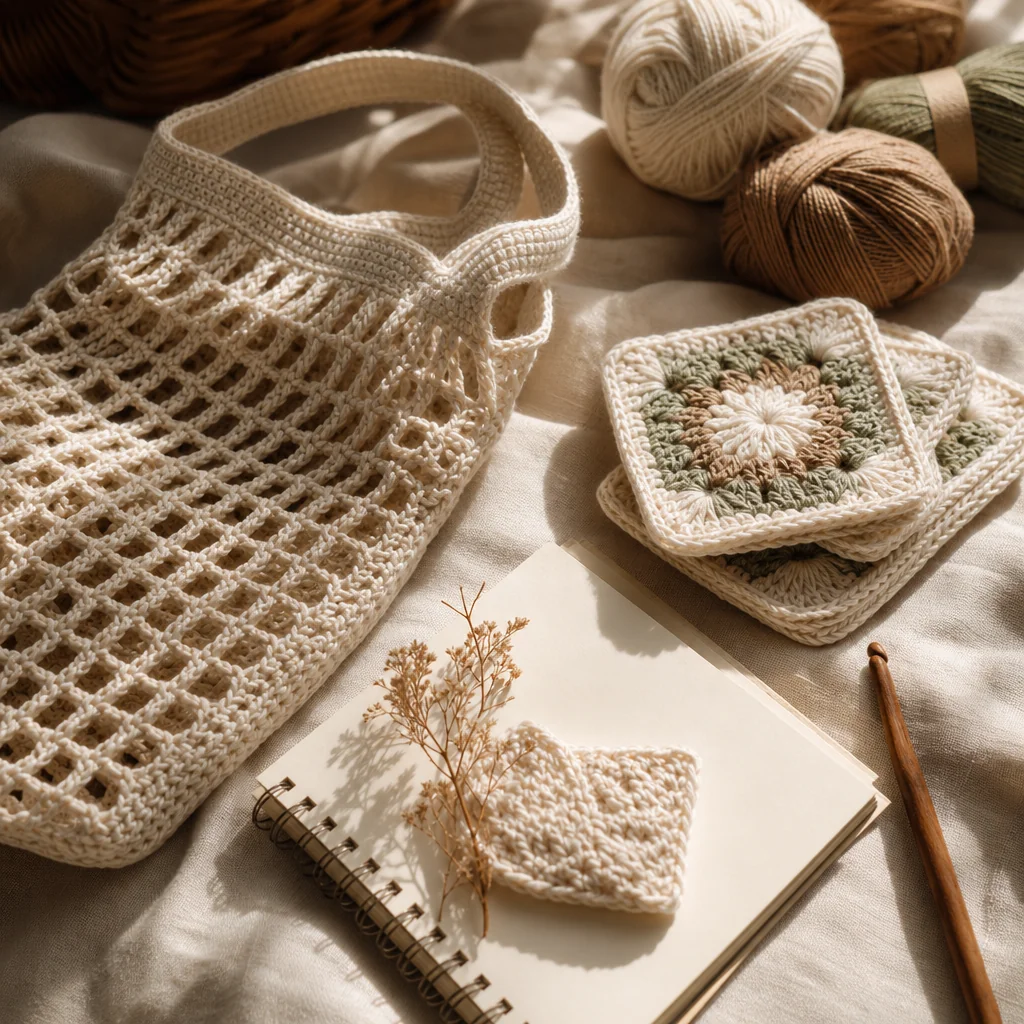
How to Price a Handmade Crochet Item Fairly
by Crochets Studio — Written by a Crochets.ca contributor who sells at local craft markets and has learned pricing the hard way, one underpriced sweater at a time.
A fair crochet price covers three things: your materials, your time at a real hourly rate, and a small overhead cushion. Skip any of the three and you're paying to make things instead of running a craft business.
Start With Your Hard Costs
Before you think about a final price, tally every physical thing that went into the piece.
What Counts as Materials
- Yarn (calculated per gram or per skein used, not the whole skein if you have leftovers)
- Buttons, stuffing, safety eyes, or other notions
- Stitch markers or hardware that stays with the finished piece
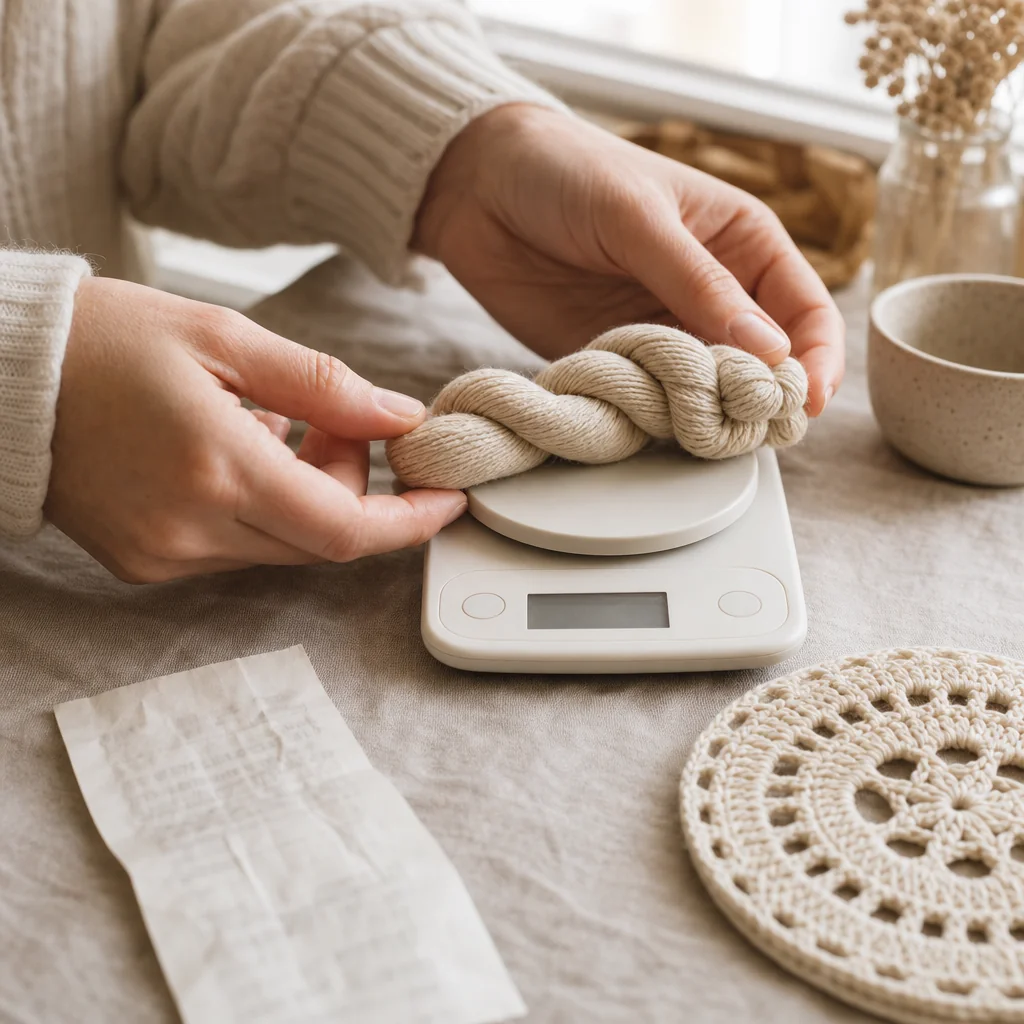
Keep a simple spreadsheet or notebook with price-per-skein for the yarn you buy regularly. Once you know your cost per gram, weigh a finished project and you'll have an accurate materials total in seconds, no more guessing.
Value Your Time Like a Skill, Not a Hobby
This is the step where most makers quietly lose money.
Track the Real Hours
Time yourself on one full project, from swatching and counting stitches to weaving in the last end. Include frogging and redos, they're part of the real cost of the craft.
Pick an Hourly Rate That Reflects Skill
Don't default to minimum wage. You're not unskilled labour, you're applying years of practice in tension, pattern reading, and finishing. Even a modest $15-20 CAD per hour adds up fast on a detailed sweater or a multi-colour amigurumi, and it should. That rate is what separates a craft business from an expensive favour.
Compare: Overhead vs. No Overhead
Pricing Without Overhead
If you only add materials and labour, you'll technically break even on the visible costs, but you'll quietly absorb electricity, wear on your hooks and blocking boards, packaging, and any marketplace or payment processing fees.
Pricing With Overhead
Add 10-15% to your materials-plus-labour subtotal to cover those extras. It's a small percentage, but over a year of selling, it's the difference between a hobby that costs you money and one that sustains itself.
Compare, Don't Copy the Competition
Looking at similar items online is a useful sanity check, but it's not a pricing method on its own.
Machine-Made vs. Hand-Crocheted
A machine-knit scarf and a hand-crocheted one are not the same product. Machine production takes minutes; a hand-crocheted piece takes hours of skilled, repetitive motion. If a factory-made version sells for $20, that's not your ceiling.
Underpriced Sellers vs. You
Some sellers price low because they haven't done this math, not because that's what the craft is worth. Matching their price means adopting their mistake. Price your own hours and materials, and let the market adjust to you instead.
Round to a Number You Can Stand Behind
Once materials, time, and overhead are totaled, round to a clean number that feels sustainable for you and reasonable for a buyer who understands handmade value. A price you can say out loud without flinching, and defend if someone asks why it costs what it does, is a price that's actually fair.
Pricing honestly protects your own time and helps every other maker selling hand-crocheted goods be taken seriously as a small business, not a hobby clearance sale.
Keep Your Numbers Consistent
Once you land on a rate that works, use it consistently across your shop. Buyers notice when similar items are priced wildly differently, and consistency builds trust in your pricing the same way consistent gauge builds trust in your finished pieces.