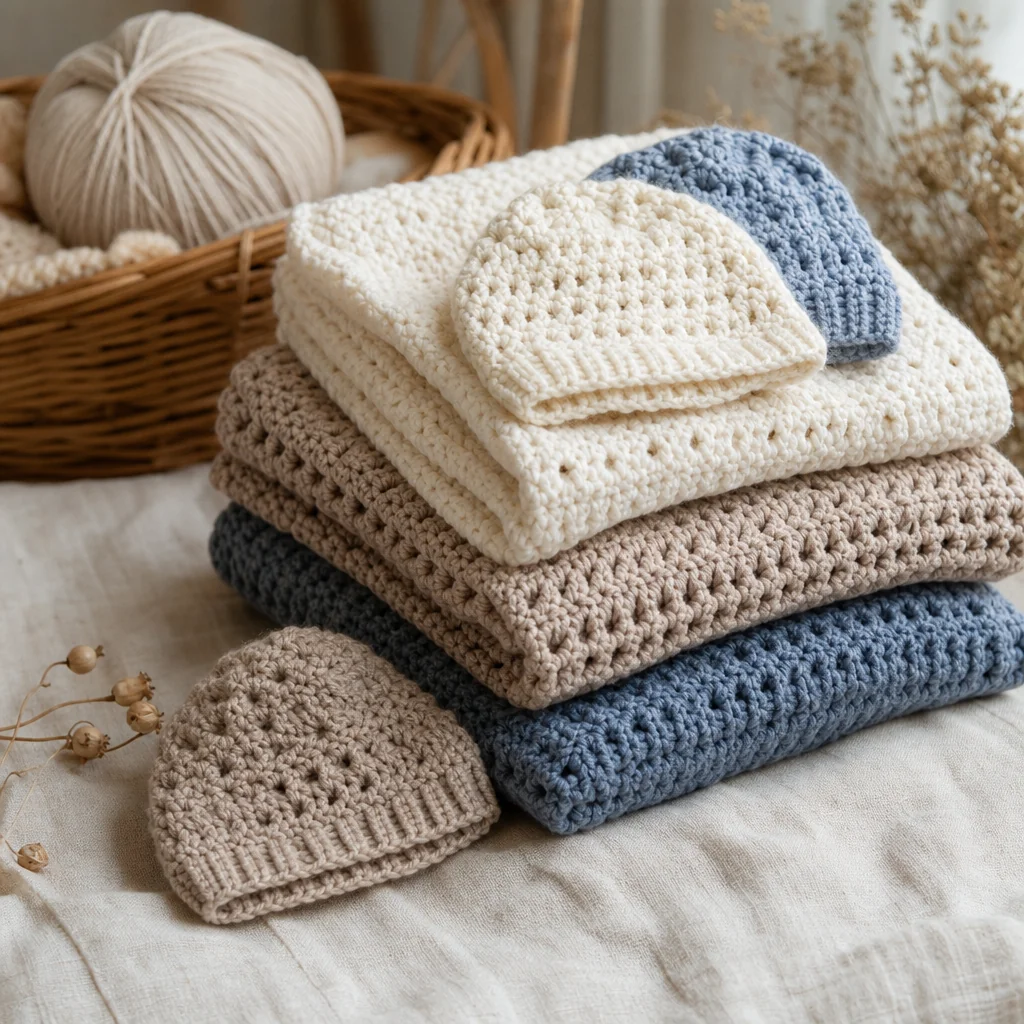
Crochet for Charity: Where to Donate Handmade Items in Canada
by Crochets Studio — Written by a Crochets.ca contributor who spends winter evenings making granny squares for the local shelter drive, one skein at a time.
If you want your crochet to do more than sit in a project bin, several Canadian organizations are actively looking for handmade blankets, hats, and mittens. The trick is matching your project to each group's guidelines on yarn, size, and care instructions before you pick up your hook.
Give Back, One Stitch at a Time
Crochet has a quiet superpower: it turns a few hours on the couch into something someone else can wrap themselves in. Across Canada, a growing number of organizations rely on handmade donations to fill gaps that store-bought supplies don't always cover, and crocheters of any skill level can contribute.
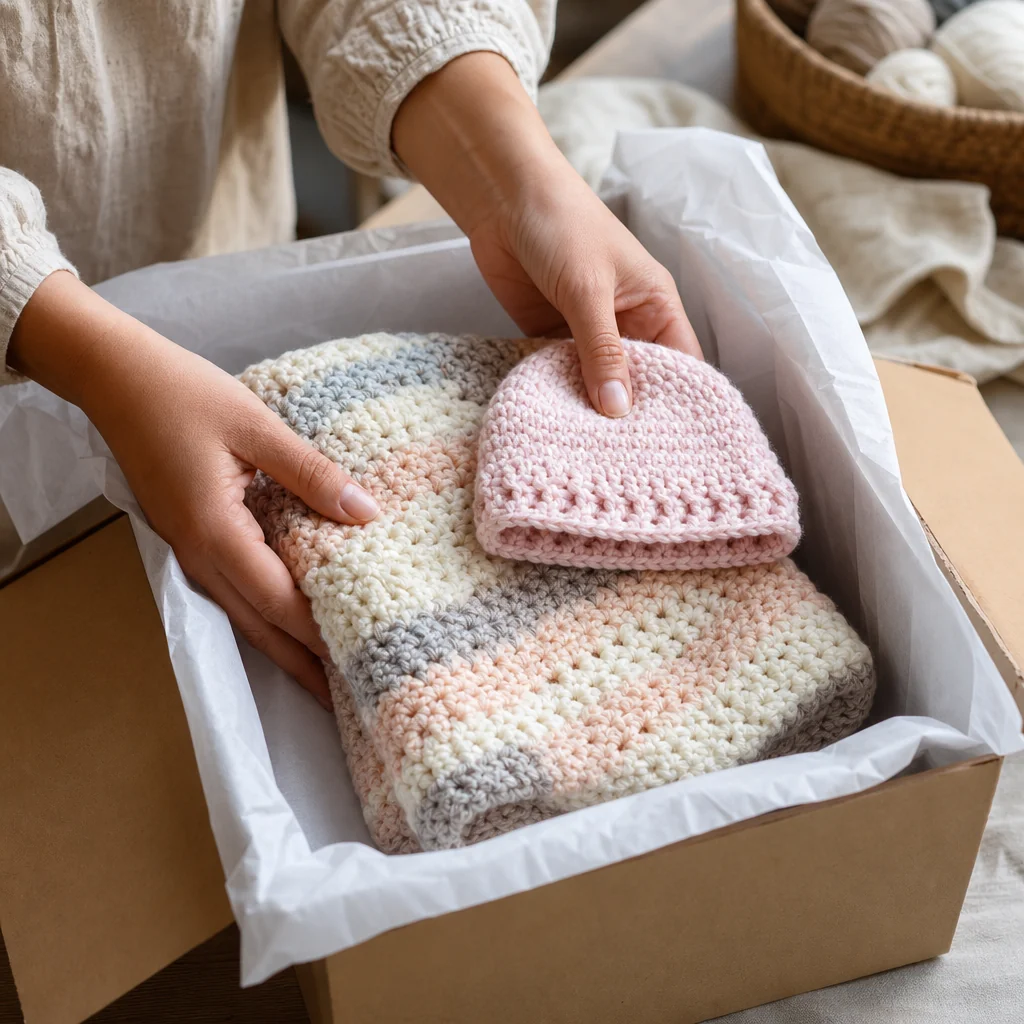
Where to Send Your Stitches
Project Linus Canada
Project Linus Canada coordinates volunteers who make blankets for children facing illness, trauma, or crisis. Chapters exist across the country, and most accept crocheted, knitted, or quilted blankets in child-friendly sizes. Check your regional chapter's page for drop-off locations before mailing anything.
Hospitals and NICUs
Many hospitals, especially neonatal intensive care units, welcome tiny preemie hats and blankets. Sizes here are much smaller than a standard baby item, so call the hospital's volunteer or donations office first. Some units have strict rules around yarn type and washing, since items go directly against a newborn's skin.
Shelters and Community Centres
Local shelters often run winter drives for hats, scarves, and mittens, while community centres organize coat and accessory collections for people experiencing homelessness. These groups usually need adult sizing and sturdy, washable yarn rather than delicate fibres.
Seasonal and School Drives
Some schools, libraries, and community groups run seasonal collections, particularly before winter, for warm accessories to hand out locally. These are often the easiest entry point if you're new to charity crochet, since requirements tend to be flexible.
What Makes a Project Charity-Ready
Yarn Choice
Acrylic yarn is the go-to for most charity projects. It's machine washable, dries quickly, holds up to repeated use, and doesn't trigger wool allergies. Many organizations explicitly ask for acrylic over natural fibres for exactly these reasons, so check the guidelines before buying yarn for a big batch.
Sizing and Patterns
Oversized blankets sound generous, but they can be hard for organizations to store, transport, and distribute. Most groups publish preferred dimensions, whether that's a lap-sized blanket, a preemie cap, or an adult hat. A simple single crochet blanket or a basic double crochet hat works well here: quick to make, forgiving for beginners, and consistently in demand.
Cleanliness and Care
Wash and dry your finished piece before donating, and weave in all ends securely. Items that shed loose yarn or carry pet hair often get set aside, even with the best intentions behind them.
Organizing a Group Give-Back Project
Batch-making granny squares is a great way to get a crochet group, guild, or even a family involved without everyone needing to finish a full blanket alone. Assign a consistent yarn weight and square size, then have one person join everything together. It's a low-pressure way for beginners to contribute a single square while more experienced crocheters handle the joining and finishing.
A Small Stitch, A Real Difference
Donating your handiwork is one of the few crafts where practice time and community impact overlap perfectly. Every hat, blanket, or square you make while learning a new stitch can end up keeping someone warm this winter, one skein at a time.