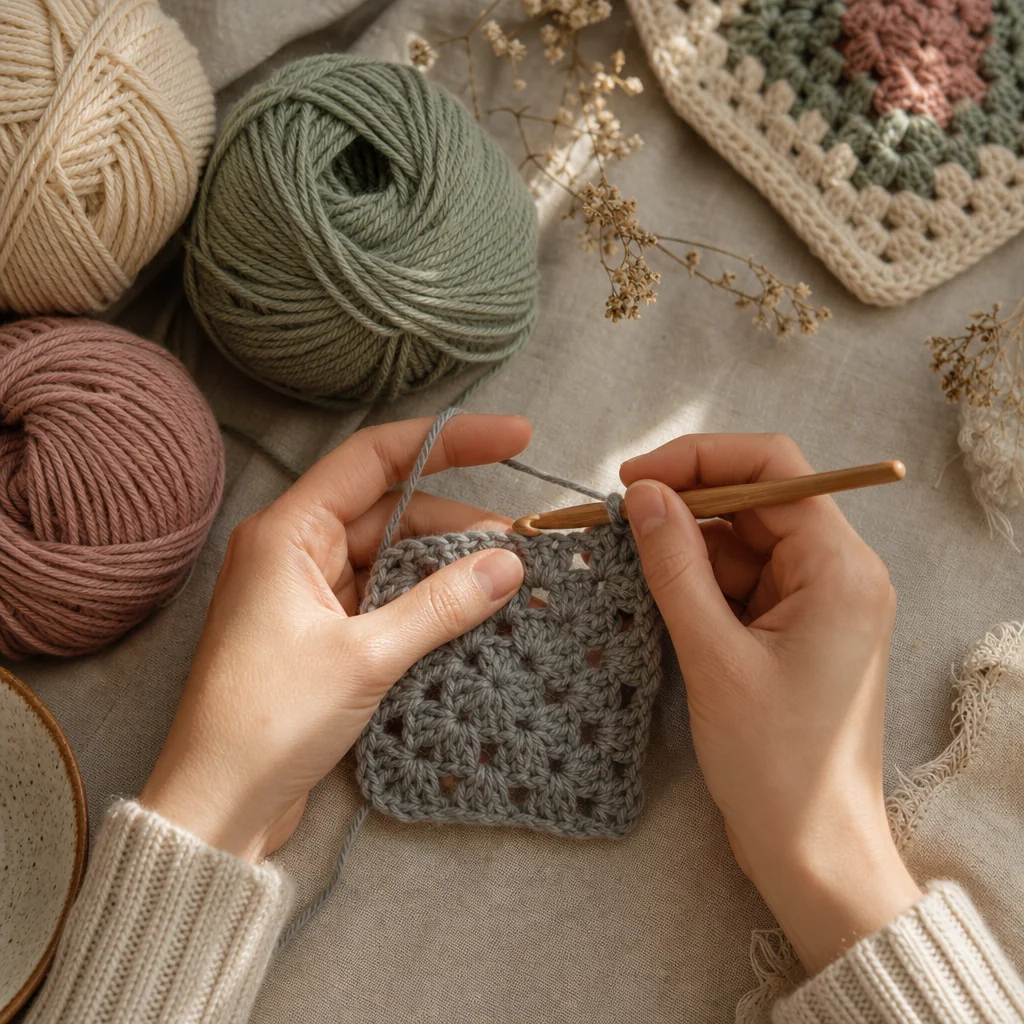
Crochet and Mental Health: What the Research Actually Says
by Crochets Studio — A lifelong fibre artist and former community wellness facilitator based in Ontario, who believes every stitch is a small act of self-care.
Yes, crochet genuinely helps your mental health, and the evidence goes well beyond anecdotes. Studies show that the repetitive, rhythmic nature of crochet activates your body's relaxation response, reduces cortisol, and promotes the release of serotonin. Combined with the mindfulness demands of pattern-following and the social bonds of crafting communities, crochet offers a multi-layered approach to emotional well-being.
The Science Behind the Calm
The idea that crochet soothes your mind has circulated in crafting circles for decades. But in recent years, researchers have moved past assumptions and started measuring what actually happens in the brain and body during repetitive textile work.
A widely cited study from Cardiff University surveyed over 3,500 crafters internationally and found a strong association between knitting and crochet activities and self-reported feelings of calm, happiness, and improved cognitive function. Among respondents who reported living with depression, 81% said they felt happier after a crafting session. That's not a small number.
The physiological explanation centres on what scientists call the relaxation response. When you perform repetitive, rhythmic hand movements — like pulling yarn through loops row after row — your parasympathetic nervous system engages. Heart rate slows. Blood pressure can drop. Cortisol levels decrease. The effect mirrors what happens during meditation or deep breathing exercises, but with the added satisfaction of producing something tangible.
Serotonin and the Reward Loop
Crochet also appears to stimulate serotonin production. Each completed stitch, each finished row, each recognizable shape emerging from a flat chain provides a small hit of accomplishment. Your brain registers progress, and that sense of forward motion matters — especially on days when other areas of life feel stalled or overwhelming.
Mindfulness Without the Pressure
If you've ever tried to sit still and meditate, you know it's not easy for everyone. Crochet offers a back door into mindfulness. Counting stitches, reading a pattern chart, and tracking repeats all require active attention. That focus naturally displaces the spiralling thoughts that fuel anxiety and rumination.
Therapists increasingly recognize this. Some cognitive behavioural therapy practitioners now suggest crochet as a complementary grounding technique — not a replacement for treatment, but a tool that works alongside it. The bilateral, cross-body motion of crocheting may also engage both brain hemispheres, which is a principle shared with EMDR therapy used in trauma processing.
When It Works Best
Research suggests the mental health benefits increase when:
- You choose projects slightly below your maximum skill level (flow state, not frustration)
- You crochet regularly rather than in marathon sessions
- You pair the activity with social connection — online or in person
Community: The Layer People Overlook
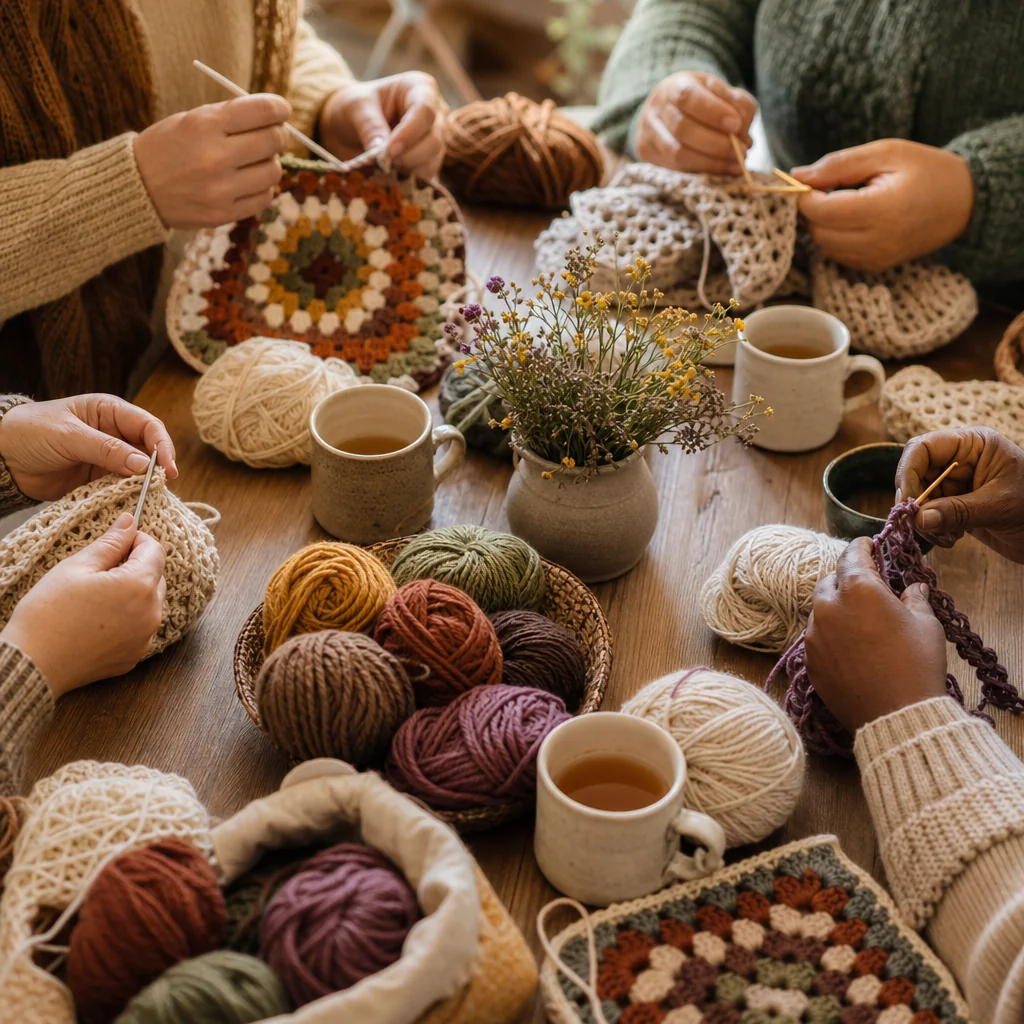
Humans are wired for belonging. The communal side of crochet — sharing a work-in-progress photo, joining a local stitch-and-chat group, or helping a beginner troubleshoot their first granny square — adds a social dimension that amplifies the individual benefits.
A 2018 study in the British Journal of Occupational Therapy found that group crafting activities enhanced participants' sense of social identity and reduced feelings of isolation. In a Canadian context, where winter months can bring seasonal mood dips and physical isolation, a crochet community — even a virtual one — becomes a genuine lifeline.
What Crochet Is Not
It's important to be honest: crochet is not therapy. It doesn't replace professional treatment for clinical depression, anxiety disorders, PTSD, or other conditions. If you're struggling, please reach out to a mental health professional.
What crochet can be is a daily practice that supports your overall wellness plan. Think of it less as medicine and more as movement — the way a walk helps your body, a few rows of crochet can help your mind.
Making It Work for You
If you want to intentionally use crochet for mental health benefits, consider these approaches:
- Start small. A ten-minute session still counts. Consistency matters more than duration.
- Choose calming projects. Repetitive stitch patterns like granny squares, moss stitch blankets, or simple scarves work better than complex lace when your goal is relaxation.
- Put the phone down. The benefits diminish if you're simultaneously scrolling. Let the crochet be the thing.
- Connect with others. Share your progress, ask questions, or simply sit alongside fellow makers.
The research is clear: your hook and yarn are doing more than making fabric. They're helping build a calmer, more connected version of you.